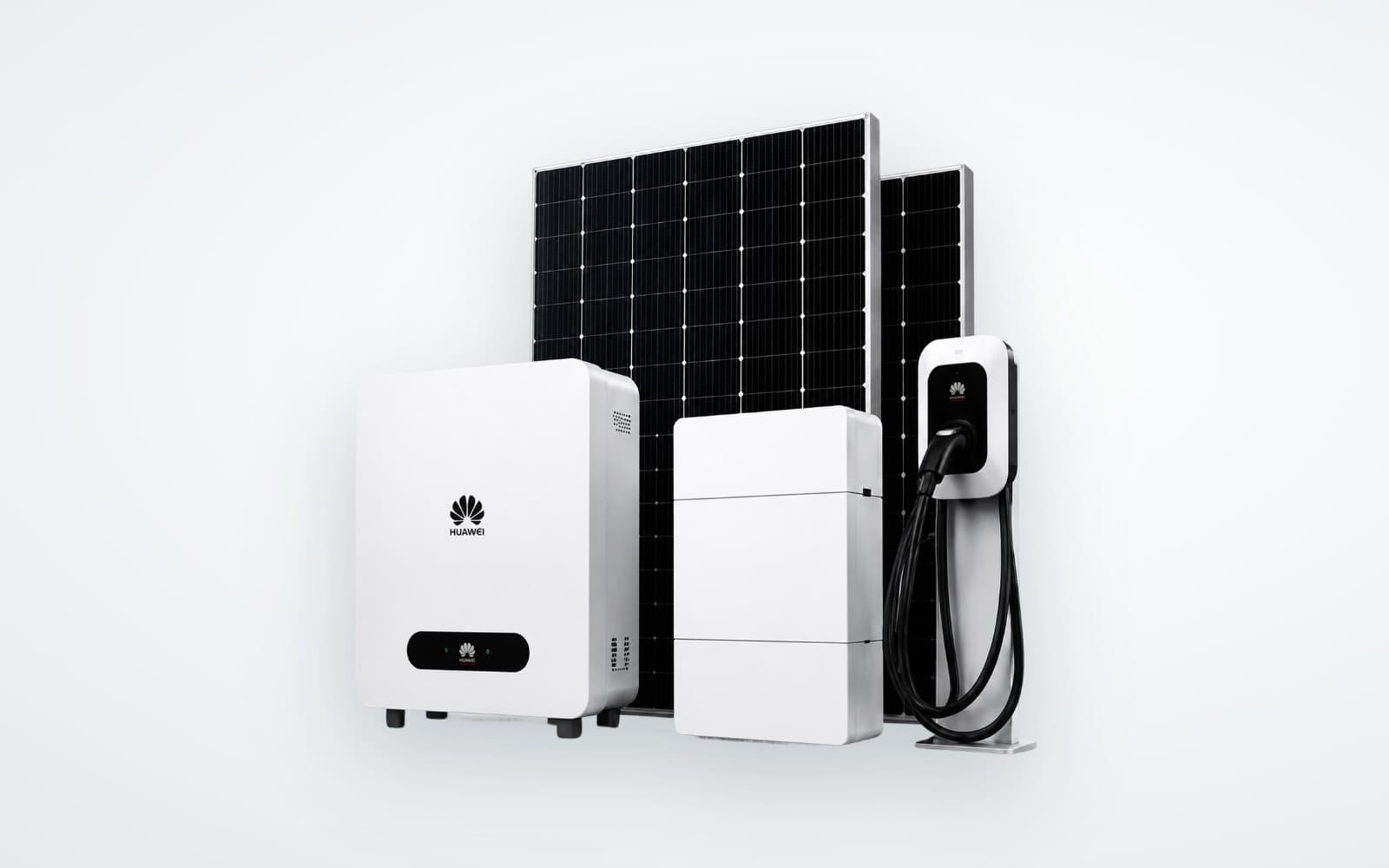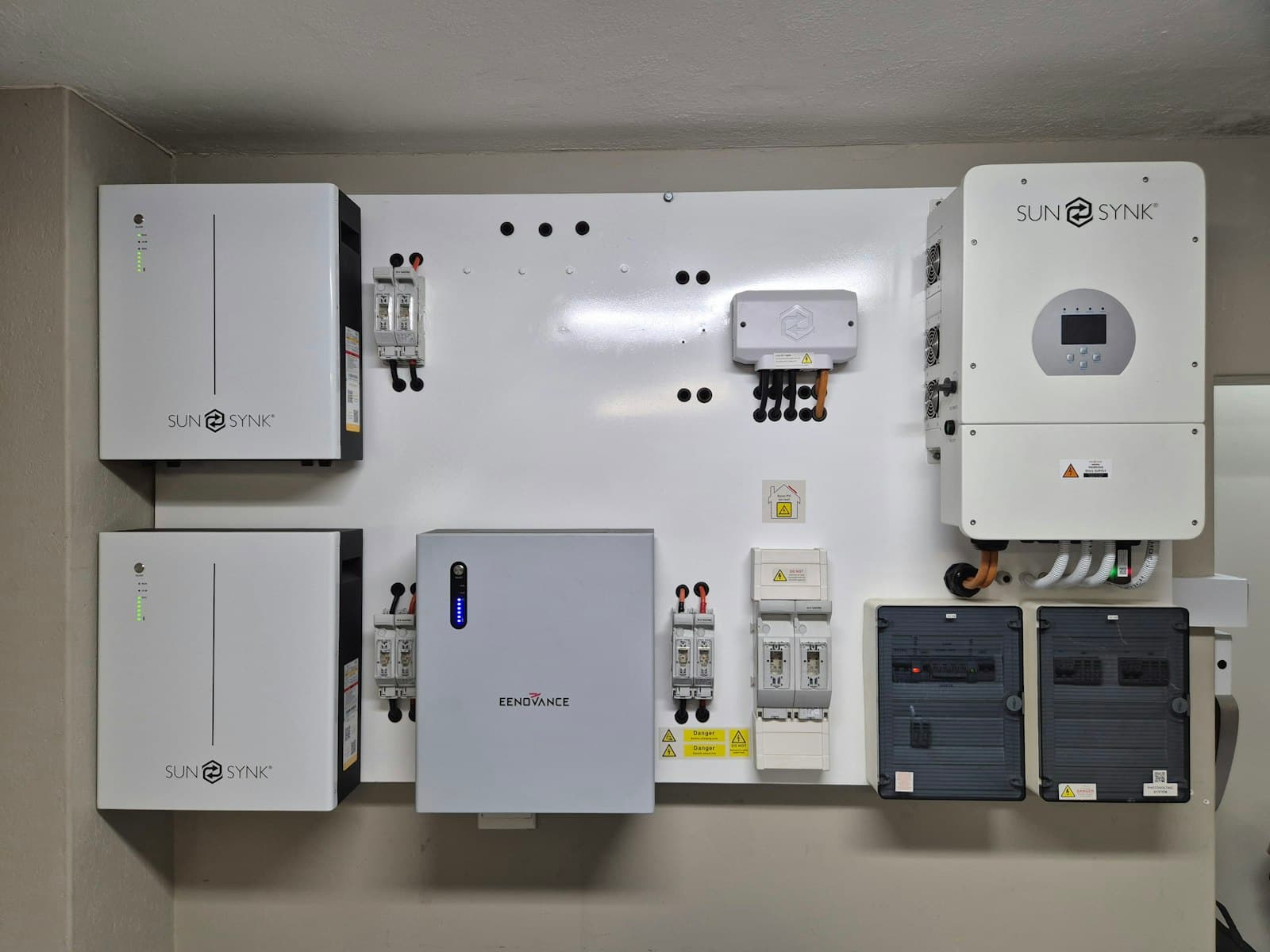
Batteriespeicher sind 2025 deutlich günstiger geworden. Ein Speicher unter 10 kWh kostete im Median CHF 686 pro kWh, ein Jahr zuvor waren es noch CHF 847. Die verkaufte Speicherkapazität stieg im selben Jahr um 70 Prozent. Kurz gesagt kostet ein Speicher mit 10 kWh heute rund CHF 6'964 inklusive MwSt. Selbst wenn er 250 volle Ladezyklen pro Jahr schafft, dauert es bei der Minimalvergütung von 6 Rp./kWh rund 16.5 Jahre, bis er sich bezahlt hat. Die Garantie endet oft nach zehn Jahren. Mit Förderbeitrag, hohem Abendverbrauch und passender Grösse sieht die Rechnung besser aus. Fehlen diese Bedingungen, geht sie selten auf.
Was ein Stromspeicher 2026 kostet
Was Speicher tatsächlich kosten, zeigen die jährlich ausgewerteten Offerten Schweizer Installationsbetriebe. 2025 lagen Speicher unter 10 kWh im Median bei CHF 686 pro kWh, Speicher zwischen 20 und 30 kWh bei CHF 504 pro kWh. Die kleinen Speicher wurden damit gegenüber 2024 rund 19 Prozent günstiger. Aus den Offerten lässt sich eine einfache Formel ableiten, CHF 2'122 fix plus CHF 432 pro kWh, jeweils ohne MwSt. Der Fixbetrag deckt Wechselrichter-Ladegerät, Verkabelung und Inbetriebnahme. Für typische Grössen ergibt das diese Richtwerte:
- 5 kWh kosten CHF 4'282 exkl. MwSt., also CHF 856 pro kWh, inklusive 8.1 Prozent MwSt. CHF 4'629.
- 10 kWh kosten CHF 6'442 exkl. MwSt., also CHF 644 pro kWh, inklusive MwSt. CHF 6'964.
- 15 kWh kosten CHF 8'602 exkl. MwSt., also CHF 573 pro kWh, inklusive MwSt. CHF 9'299.
- 20 kWh kosten CHF 10'762 exkl. MwSt., also CHF 538 pro kWh, inklusive MwSt. CHF 11'634.
Die Werte gelten für Speicher, die zusammen mit der Solaranlage offeriert wurden. Ende 2024 nannten Schweizer Solarfirmen einen durchschnittlichen Endkundenpreis von rund CHF 800 pro kWh. Als wirtschaftlich sinnvoll betrachteten die meisten einen Preis zwischen CHF 300 und 600 pro kWh. Kleine Speicher liegen noch deutlich darüber. Was die Solaranlage selbst kostet, steht in unserem Beitrag zu den Preisen pro kWp.
Warum der Preis pro kWh Kapazität täuscht
Entscheidend ist nicht der Preis pro kWh Kapazität, sondern was eine kWh kostet, die tatsächlich aus dem Speicher kommt. Dafür wird die Investition durch die Strommenge geteilt, die der Speicher über seine Lebensdauer abgibt. Diese hängt von drei Grössen ab:
- der nutzbaren Kapazität in kWh
- der Zahl der Vollzyklen, also wie oft der Speicher rechnerisch ganz geladen und entladen wird. Für Vergleiche wird üblicherweise mit 250 Vollzyklen pro Jahr gerechnet.
- dem Systemwirkungsgrad, der bei Lithium-Eisenphosphat-Speichern zwischen 90 und 95 Prozent liegt. Wir rechnen mit 92 Prozent.
Ein Speicher mit 10 kWh gibt bei 250 Vollzyklen rund 2'300 kWh pro Jahr ab, über zehn Jahre also 23'000 kWh. Bei CHF 6'964 kostet jede davon 30.3 Rp. Hält der Speicher 15 Jahre bei gleicher Nutzung, sinkt der Wert auf 20.2 Rp./kWh. Beide Zahlen sind eher optimistisch. Die Kapazität nimmt mit den Jahren ab, und ein Speicher, der im Winter kaum voll wird, erreicht die 250 Zyklen nicht.
Was eine kWh aus dem Speicher wert ist
Jede kWh aus dem Speicher ersetzt Strom aus dem Netz. Ein typischer Haushalt mit 4'500 kWh Verbrauch zahlt 2027 im Median 26.5 Rp./kWh, 1.2 Rp. weniger als 2026. Darin steckt der Messtarif von CHF 78.48 pro Jahr, der auch mit Speicher bleibt. Ohne ihn spart jede selbst genutzte kWh rund 24.8 Rp.
Dem steht die Vergütung gegenüber, die wegfällt. Strom, der in den Speicher fliesst, wird nicht eingespeist. Für Anlagen bis 30 kW gilt seit 2026 eine Minimalvergütung von 6 Rp./kWh, dazu kommen je nach Netzbetreiber höchstens 3 Rp./kWh für den Herkunftsnachweis. Beim Laden und Entladen gehen rund 8 Prozent verloren. Jede kWh aus dem Speicher kostet deshalb 6.5 Rp. entgangene Vergütung, und der Nettovorteil liegt bei 18.3 Rp. pro kWh. Zahlt der Netzbetreiber inklusive Herkunftsnachweis 9 Rp., bleiben noch 15.0 Rp.
Daraus folgt die wichtigste Zahl dieses Beitrags. Ein Speicher rechnet sich nur, wenn eine kWh aus der Batterie weniger als rund 18 Rp. kostet. Der 10-kWh-Speicher liegt selbst nach 15 Jahren knapp darüber.
Rechenbeispiel mit vier Speichergrössen
Wir nehmen an, dass jeder Speicher 250 Vollzyklen pro Jahr erreicht, und rechnen mit 92 Prozent Wirkungsgrad, 24.8 Rp. Ersparnis und 6 Rp. Minimalvergütung. Die Preise verstehen sich inklusive MwSt.
- 5 kWh für CHF 4'629 geben 1'150 kWh pro Jahr ab, bringen CHF 210 und sind nach 22 Jahren bezahlt.
- 10 kWh für CHF 6'964 geben 2'300 kWh ab, bringen CHF 421 und sind nach 16.5 Jahren bezahlt.
- 15 kWh für CHF 9'299 geben 3'450 kWh ab, bringen CHF 631 und sind nach 14.7 Jahren bezahlt.
- 20 kWh für CHF 11'634 geben 4'600 kWh ab, bringen CHF 842 und sind nach 13.8 Jahren bezahlt.
Grosse Speicher sind pro kWh günstiger, aber nur, wenn der Haushalt die Energie am Abend und in der Nacht auch braucht. 4'600 kWh aus einem 20-kWh-Speicher sind mehr, als ein Haushalt mit 4'500 kWh Jahresverbrauch überhaupt bezieht. Wie empfindlich die Rechnung auf die Nutzung reagiert, zeigt der 10-kWh-Speicher mit nur 150 Vollzyklen. Er gibt 1'380 kWh ab, bringt CHF 253 pro Jahr und braucht 27.6 Jahre, bis er bezahlt ist. Bei 9 Rp. Einspeisevergütung statt 6 Rp. verlängert sich die Amortisation des voll genutzten 10-kWh-Speichers auf 20.2 Jahre.
Eigenverbrauch mit und ohne Speicher
Ein Speicher hebt vor allem den Eigenverbrauch, also den Anteil des Solarstroms, den der Haushalt selbst nutzt. In einer Umfrage unter Schweizer Solarfirmen lag er bei 342 Anlagen ohne Batterie im Schnitt bei 30 Prozent, bei 252 Anlagen mit Batterie bei rund 50 Prozent.
Die 20 Prozentpunkte Unterschied zeigen, wie viel Produktion ein Speicher braucht, um ausgelastet zu sein. Ein 10-kWh-Speicher nimmt bei 250 Vollzyklen rund 2'500 kWh pro Jahr auf. Das sind genau 20 Prozent einer Jahresproduktion von 12'500 kWh. Bei kleineren Anlagen oder tiefem Abendverbrauch wird er nicht jeden Tag voll.
Der Speicher ist ausserdem nicht der einzige Hebel. Wer Boiler, Wärmepumpe oder das Laden des Elektroautos in die Sonnenstunden legt, hebt den Eigenverbrauch ohne zusätzliche Investition. Ideen dafür stehen in unserem Beitrag zu den sieben Wegen, den Sommerüberschuss zu nutzen, und im Beitrag zur Kombination von Solaranlage und Wärmepumpe.
Die passende Grösse
Zwei Faustregeln helfen bei der Dimensionierung. Die erste geht von der Anlage aus. Der Speicher sollte ein bis zwei Stunden Nennleistung oder ein Tausendstel der Jahresproduktion aufnehmen. Die zweite geht vom Verbrauch aus. Der Speicher sollte einen halben Tagesverbrauch oder ein Tausendstel des Jahresverbrauchs fassen. Sinnvoll ist der kleinere der beiden Werte, und mehr als 1.5 kWh pro kWp sollten es nicht sein. Überhaupt lohnt sich ein Speicher erst, wenn genug Überschuss anfällt, also ab 0.5 kWp Anlagenleistung pro 1'000 kWh Jahresverbrauch.
- Ein Haushalt mit 4'500 kWh Jahresverbrauch braucht pro Tag im Schnitt 12.3 kWh. Ein halber Tagesverbrauch sind rund 6 kWh, ein Tausendstel des Jahresverbrauchs 4.5 kWh.
- Ein Haushalt mit Wärmepumpe, Elektroauto und 10'000 kWh kommt auf einen halben Tagesverbrauch von rund 14 kWh, ein Tausendstel sind 10 kWh.
2025 wurden in Einfamilienhäusern Speicher mit durchschnittlich 12.7 kWh verbaut. Für einen Haushalt mit 4'500 kWh ist das rund doppelt so viel, wie die Faustregel nahelegt, und ein so grosser Speicher erreicht dort die 250 Zyklen kaum.
Zyklen, Garantie und Lebensdauer
Hersteller garantieren oft zehn Jahre oder eine bestimmte abgegebene Energiemenge, je nachdem, was zuerst erreicht ist. Zwei verbreitete Beispiele:
- Für die BYD Battery-Box HVS 10.2 mit 10.24 kWh nutzbarer Energie gelten 60 Prozent Restkapazität nach zehn Jahren oder nach 30.82 MWh abgegebener Energie. Das entspricht rund 3'000 Vollzyklen.
- Für den Huawei LUNA2000 in der Ausführung S0 gelten zehn Jahre und 16.45 MWh pro 5-kWh-Modul bei 60 Prozent Restkapazität, also rund 3'300 Vollzyklen.
Mit 250 Vollzyklen pro Jahr bleibt ein Speicher innerhalb dieser Grenzen. Garantiert sind nach zehn Jahren aber nur 60 Prozent der Kapazität, ein 10-kWh-Speicher nimmt im ungünstigsten Fall dann noch 6 kWh auf. Rund 80 Prozent der Schweizer Solarfirmen verbauen Lithium-Eisenphosphat-Zellen, typische Produkte sind auf rund 4'000 Zyklen ausgelegt. Als Lebensdauer werden 10 bis 20 Jahre angegeben.
Das Kleingedruckte zählt. Teilweise setzt die Garantie eine dauerhafte Internetverbindung voraus. Huawei verlangt, dass der Speicher innerhalb eines Monats nach dem Kauf installiert und ein Ausfall innerhalb von zwei Wochen gemeldet wird, empfohlen sind 15 bis 30 °C Betriebstemperatur. BYD schliesst Schäden aus, wenn der Speicher Temperaturen über 50 °C oder unter minus 10 °C ausgesetzt war. Der Aufstellort gehört deshalb in die Offerte. In Deutschland lag die Wahrscheinlichkeit, dass ein Heimspeicher einen Brand auslöst, 2023 bei 0.0049 Prozent pro Jahr.
Förderung in der Stadt Zürich und im Thurgau
Die Einmalvergütung des Bundes gilt nur für die Solaranlage, Speicher werden national nicht gefördert. Einzelne Kantone und Gemeinden zahlen aber Beiträge, und die verändern die Rechnung deutlich.
- Die Stadt Zürich zahlt seit dem 1. August 2026 CHF 1'000 plus CHF 100 pro kWh Speicherkapazität bis 100 kWh, für wiederverwendete Batteriezellen zusätzlich CHF 100 pro kWh. Gefördert werden Speicher ab 3 kWh und höchstens 1.5 kWh pro kWp, kombiniert mit Solaranlage und Energiemanagement. Das Gesuch muss vor Baubeginn eingereicht werden.
- Der Kanton Thurgau fördert 2026 Speicher ab 10 kWh nutzbarer Kapazität pauschal mit CHF 1'000. Im Vordergrund steht dort die Entlastung des Stromnetzes.
- Programme weiterer Gemeinden und Energieversorger sind auf energiefranken.ch aufgeführt.
Beim 10-kWh-Speicher aus dem Rechenbeispiel sinken die Kosten in der Stadt Zürich um CHF 2'000 auf CHF 4'964. Die Amortisation verkürzt sich von 16.5 auf 11.8 Jahre, und über 15 Jahre kostet eine kWh aus dem Speicher noch 14.4 Rp. Damit liegt sie klar unter dem Nettovorteil von 18.3 Rp. Im Thurgau verkürzt der Pauschalbeitrag die Amortisation auf 14.2 Jahre. Was im Kanton Zürich sonst gefördert wird, zeigt unser Beitrag zur Photovoltaik-Förderung in Zürich.
Was sich 2027 für Speicher ändert
Ab dem 1. Januar 2027 richtet sich die Vergütung für eingespeisten Strom nach dem Marktpreis zum Zeitpunkt der Einspeisung, sofern mit dem Netzbetreiber nichts anderes vereinbart ist. Die Minimalvergütung für Anlagen unter 150 kW bleibt. Liegt der Referenz-Marktpreis eines Quartals darunter, gleicht der Netzbetreiber die Differenz quartalsweise aus. Voraussetzung für das neue Modell ist ein Smart Meter.
Wie stark der Marktwert von Solarstrom schwankt, zeigen die Referenzpreise 2026. Im Januar lag der Wert für Photovoltaik bei 12.68 Rp./kWh, im April bei 2.30 Rp./kWh. Der Quartalspreis fiel von 10.27 auf 3.90 Rp./kWh, während im zweiten Quartal dreimal so viel Solarstrom ins Netz floss. Ein Speicher kann Mittagsstrom in teurere Abendstunden verschieben. Solange die Minimalvergütung die schwachen Quartale auffängt, dürfte dieser Zusatzerlös im Einfamilienhaus aber klein bleiben. Die Details erklärt unser Beitrag zur Solarstromvergütung 2027, zeitvariable Bezugstarife der Beitrag über dynamische Stromtarife.
Notstrom, AC oder DC und das Nachrüsten
Für knapp 30 Prozent der Käuferinnen und Käufer ist Notstrom ein wichtiges Motiv. Notstromfähige Systeme kosten mehr, 2020 lag der Aufpreis bei rund 20 Prozent, und in der Amortisation taucht dieser Nutzen nicht auf. Beim DC-gekoppelten Speicher mit Hybrid-Wechselrichter wird der Strom nur einmal umgewandelt, beim AC-System dreimal, mit jeweils rund 2 Prozent Verlust. Wer Anlage und Speicher gleichzeitig baut, fährt mit DC effizienter. Wer später nachrüstet, ist mit AC flexibler. Worauf es beim Wechselrichter ankommt, zeigt unser Wechselrichter-Vergleich.
Wann sich ein Speicher lohnt und wann nicht
Für einen Speicher sprechen vor allem diese Punkte:
- ein hoher Verbrauch am Abend und in der Nacht, etwa durch eine Wärmepumpe oder ein Elektroauto, das abends lädt
- eine Anlage, die deutlich mehr produziert, als der Haushalt tagsüber verbraucht
- eine Rückliefervergütung nahe der Minimalvergütung von 6 Rp./kWh
- ein Förderbeitrag wie in der Stadt Zürich oder im Thurgau
- der Wunsch nach Notstrom, auch wenn er sich finanziell nicht auszahlt
Gegen einen Speicher sprechen diese Punkte:
- ein Jahresverbrauch um 4'500 kWh ohne Wärmepumpe und Elektroauto, besonders bei Speichern über 6 kWh
- ein Netzbetreiber, der deutlich mehr als die Minimalvergütung zahlt
- ein Haushalt, der seinen Verbrauch ohnehin in die Sonnenstunden legen kann
- eine Offerte, die bei kleinen Speichern klar über dem Median von CHF 686 pro kWh liegt
Wie wir den Speicher rechnen
Wir legen die Speichergrösse anhand Ihres Verbrauchs fest. Wir rechnen Ihre Anlage so durch, wie wir sie der eigenen Familie verkaufen würden. Wenn etwas nicht aufgeht, sagen wir Ihnen das. Eine unverbindliche Berechnung erhalten Sie über freestate.ch/de/contact, mehr zu unseren Lösungen steht auf der Seite Stromspeicher.
Quellen: EnergieSchweiz, Photovoltaikmarkt Preisbeobachtungsstudie 2025 (Planair, 3. August 2026). BFE und Swissolar, Statistik Sonnenenergie 2025 (9. Juli 2026). Swissolar, Batteriespeicher mit Photovoltaik, Bericht 2025, und Merkblatt Photovoltaik Nr. 13. ElCom, Strompreise 2027 (8. September 2026). BFE, Referenz-Marktpreise gemäss Art. 15 EnFV (14. Juli 2026). Bundesrat, Anpassung der Stromvergütung ab 2027 (27. Mai 2026). VSE, Dynamische Abnahmevergütung ab 2027. EKZ, Rückliefertarife 2026. Stadt Zürich, Förderung von Batteriespeichern (Juni 2026). Kanton Thurgau, Förderprogramm Energie 2026. BYD und Huawei, Garantiebedingungen. RWTH Aachen, Brandrisiko von Heimspeichern (2024). Stand: September 2026. Angaben ohne Gewähr.