Guide
Heat pumps in Switzerland: types, costs and subsidies
A heat pump draws most of its heating energy from the surroundings and needs only a small share of electricity to do so. Here you will find answers to the questions people ask most often before they decide.
Which heat pump suits your house?
Heat pumps differ in the source they take their heat from. The choice depends on the plot, the building and the local regulations.
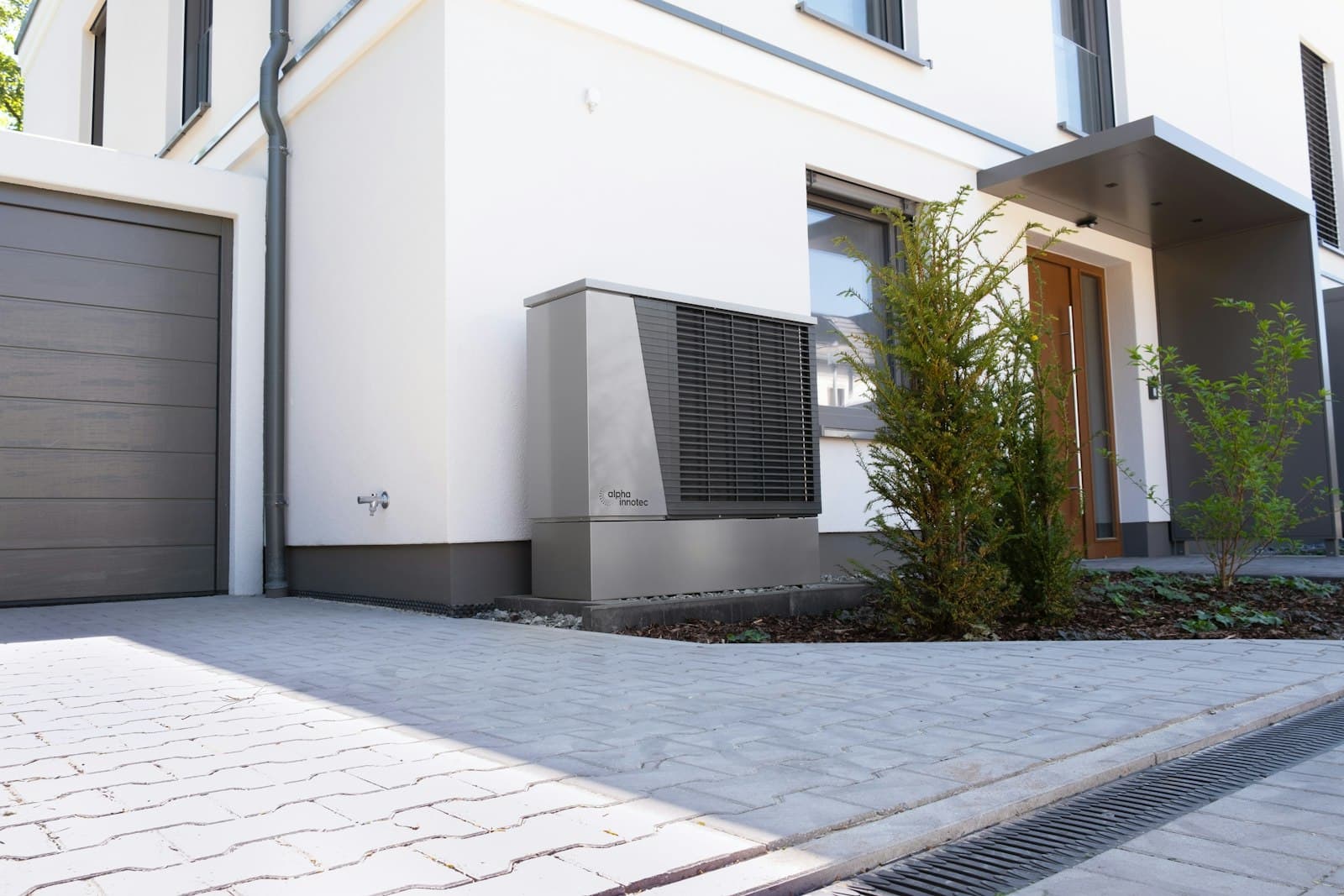
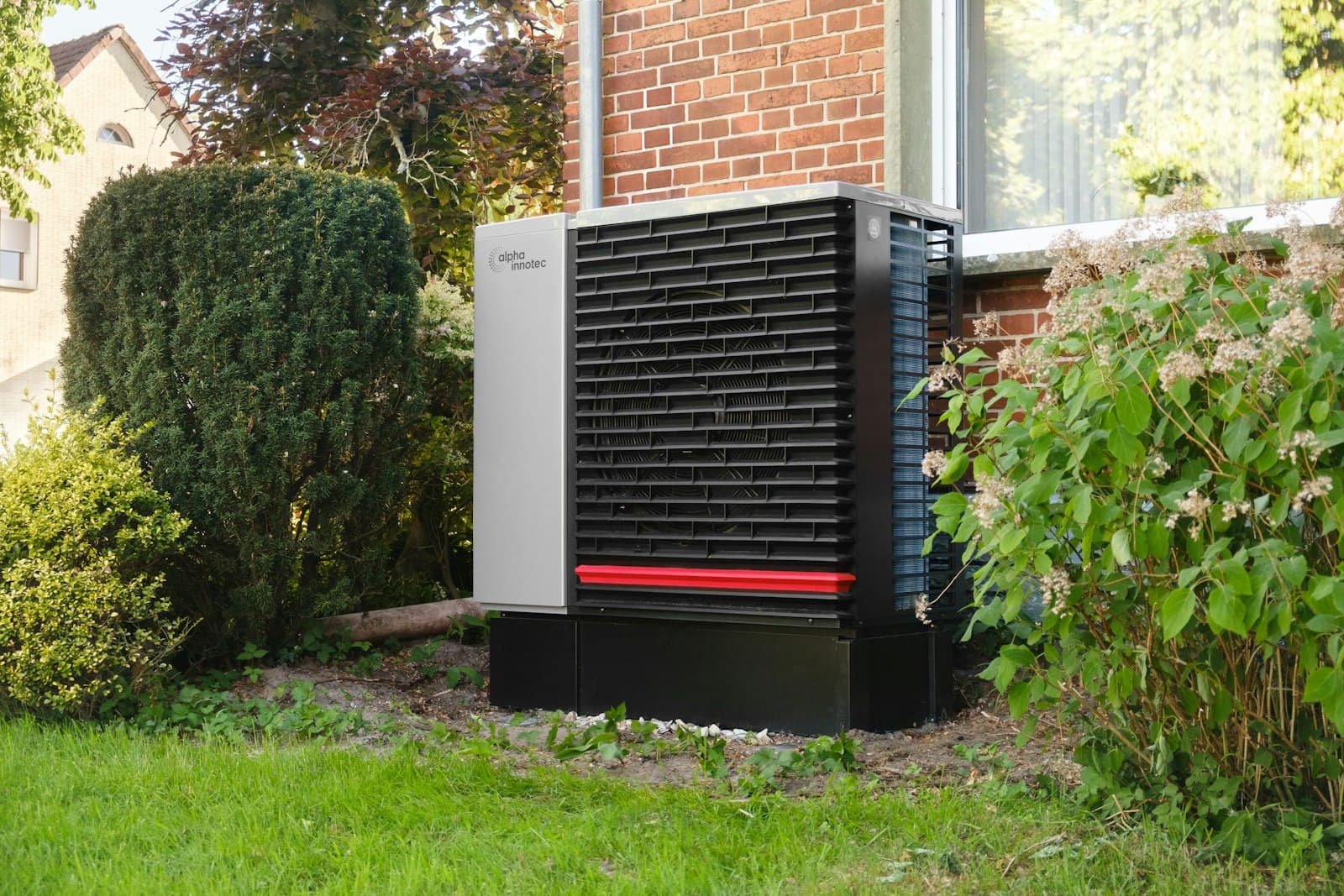
- Air-to-water heat pump: uses the outside air, needs no drilling and is the quickest to install. It is the most common solution in single-family homes and can be placed indoors or outdoors.
- Ground-source heat pump with a borehole: uses the steady temperature in the ground and therefore works very efficiently in winter too. The drilling costs more and needs a permit.
- Water-to-water heat pump: uses groundwater and reaches the highest efficiency. It requires suitable water conditions and is approved at only a few locations.
What does a heat pump cost?
For a single-family home with an energy reference area of 150 m² and a heat demand of 22'000 kWh, we estimate around CHF 36'500 for an air-to-water heat pump and around CHF 49'500 for a ground-source heat pump with a borehole. A new oil heating system costs around CHF 23'000 to buy.
The running costs are what matter. In the same house, the air-to-water heat pump uses around CHF 1'210 of energy a year and the ground-source heat pump around CHF 940. The oil heating system comes to around CHF 2'640 and, at around CHF 780 a year, also has the highest maintenance costs. Over its service life, this is how the heat pump makes up for the higher purchase price.
Replacing oil or gas heating
In many cantons, a fossil-fuel heating system can no longer simply be replaced with another of the same kind. Anyone replacing an old oil heating system usually has to switch to renewable energy or reduce the building's energy demand. Several cantons also require an energy consultation or a GEAK report before the replacement.
Plan the replacement before the old heating fails. That leaves time for the consultation, the subsidy applications and the permit, and you will not have to accept a stopgap in the middle of winter.
Subsidies and taxes
Cantons and municipalities support the switch to a heat pump through the Buildings Programme (Gebäudeprogramm), with several thousand francs depending on the location. As a rule, the most is paid for replacing an oil, gas or electric heating system. To see which programmes apply at your address, enter your postcode at energiefranken.ch.
The order matters. The subsidy application must be submitted before the work begins, and some cantons require the approval first. Replacing a heating system also counts as property maintenance and can be deducted from your taxes.
Combining a heat pump with a solar system
A heat pump shifts your energy demand from the oil tank to the electricity meter. In an average single-family home, it uses around 3'000 to 4'500 kWh of electricity a year. A solar system on your own roof supplies a large part of that at a much lower price than the grid.
With a heat pump, the share of solar power you use yourself typically rises from around 30 per cent to 55 to 70 per cent. The match is best in spring and autumn. In midwinter the roof delivers little. The balance over the year then makes up for what a single day cannot.
Noise and permits
An air-to-water heat pump installed outdoors must comply with the Noise Abatement Ordinance. The building application therefore has to include a noise protection certificate showing that the planning values at the neighbour's property are met at night as well. The position of the outdoor unit and its distance from the property boundary often matter more than the unit itself.
Boreholes need a cantonal permit. In groundwater protection zones, drilling is restricted or not allowed. The cantonal geothermal maps show what is possible at your address. We check both before we recommend a system.
How your project runs
It takes five steps from the first assessment to a warm living room.
- On-site consultation: recording the heat demand, the existing heat distribution and the space available.
- System choice and quote: air-to-water or borehole, with or without a solar system.
- Subsidy application and permit: we prepare the documents, you sign.
- Installation: removal of the old heating, fitting and connection of the heat pump.
- Commissioning and service: setting up the system, instruction and maintenance.