Guide
Battery storage for your solar system: size, costs and when it pays off
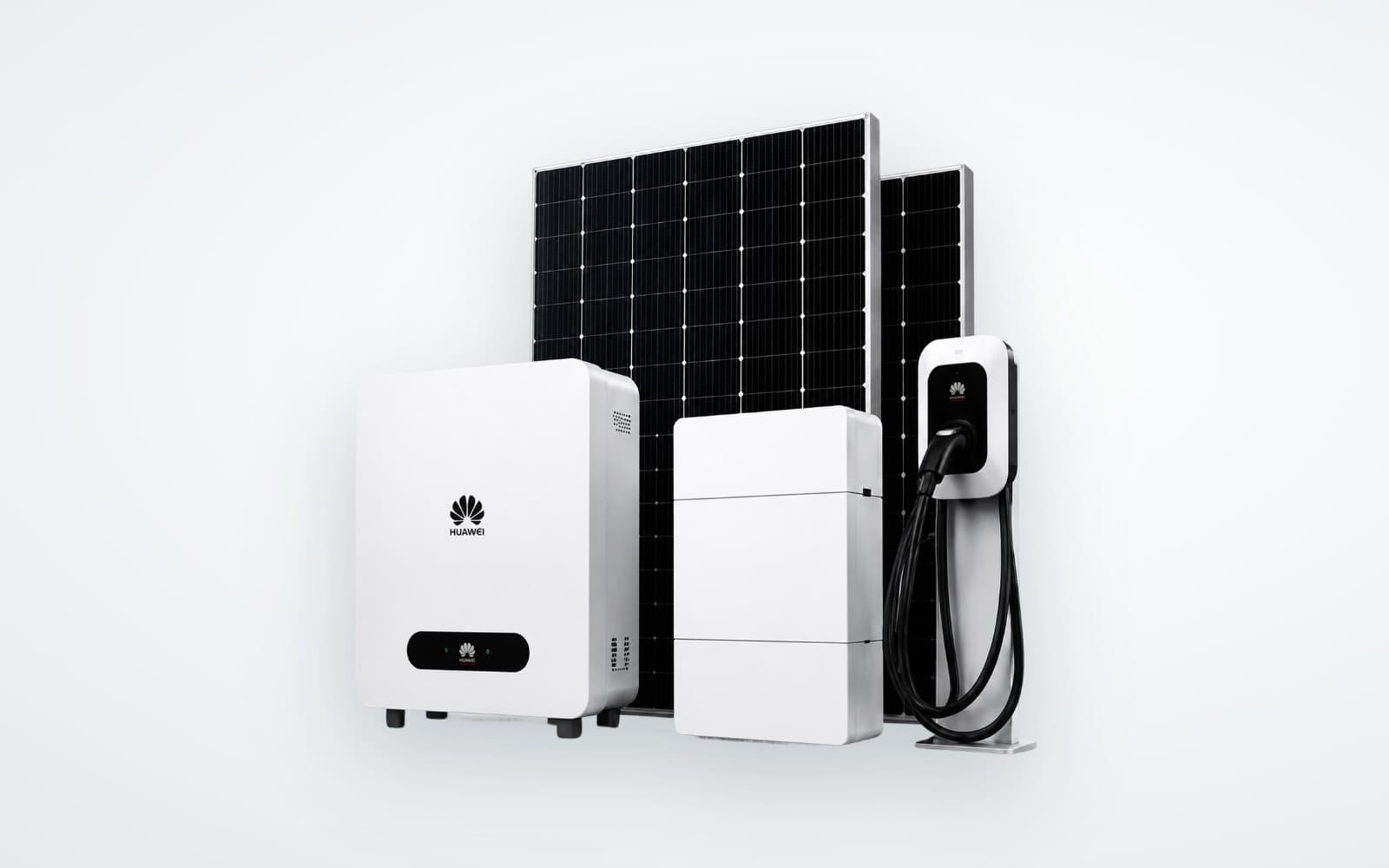
A battery shifts solar power from midday to the evening. Whether that pays off depends less on the device than on your consumption, the size of the battery and your grid operator's tariffs.
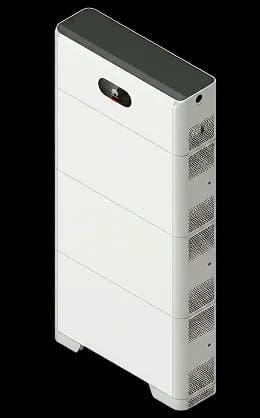
What battery storage does
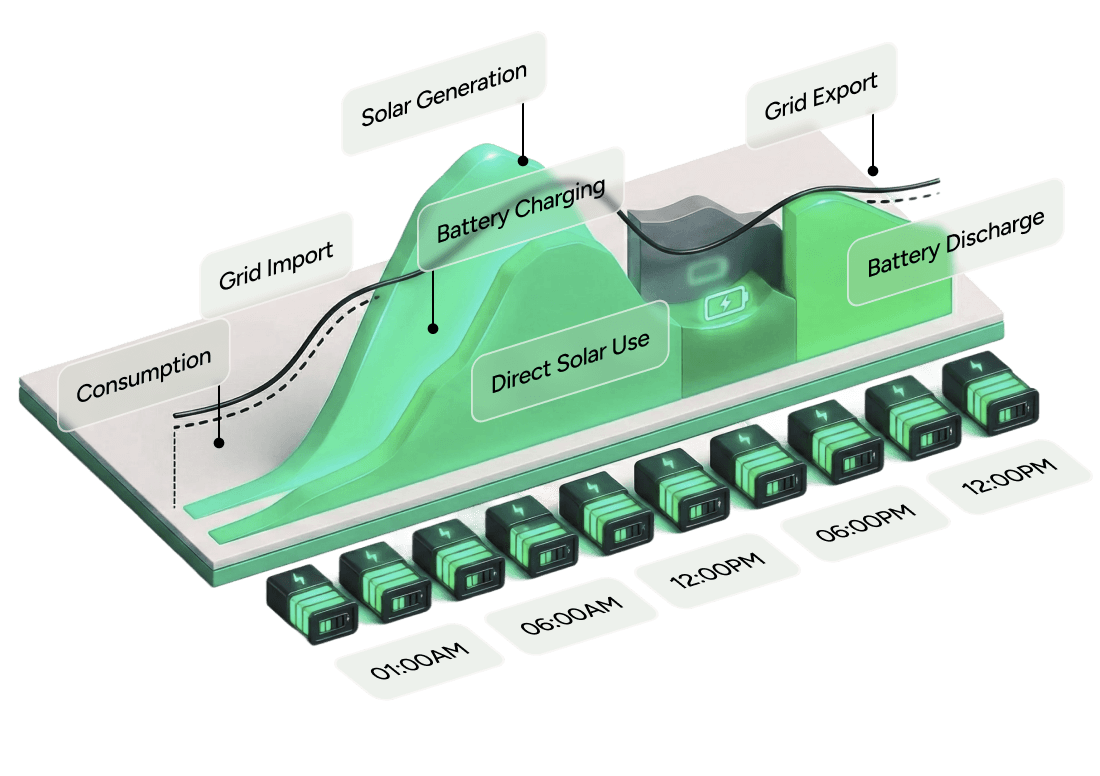
Without a battery, a household typically uses 30 to 35 per cent of its own solar power itself, and the rest flows into the grid. With a suitably sized battery, this share rises to around 70 per cent. Power from the roof then also covers the evening, the night and the early morning.
Every kilowatt hour from the battery replaces electricity from the grid. At the same time, you lose the payment you would have received for feeding it in. The benefit of the battery is the difference between the two.
What size is right?
A battery that is too large does not fill up on many days and is hardly used in winter. One that is too small is empty by early evening. The starting point is your electricity consumption between sunset and sunrise, not the output of the solar system.
A heat pump and an electric car change the calculation considerably, because they increase consumption in the evening and at night. That is why we size the battery on the basis of your load profile and not by a rule of thumb.
What does battery storage cost?
The price per kilowatt hour falls as the size increases, because the inverter, cabling and commissioning have to be paid for with every battery. A battery installed together with the solar system is therefore cheaper than a later retrofit.
Prices on the Swiss market have fallen considerably of late. In our article, we work through step by step how they are made up and what a kilowatt hour from the battery costs over its service life.
When a battery pays off
A battery pays off when a kilowatt hour from the battery costs less than the benefit it brings. At today's tariffs, this benefit is around 15 to 18 Rappen per kilowatt hour. That is the difference between the grid tariff and the feed-in payment you give up, minus the losses from charging and discharging.
- In favour: high consumption in the evening and at night, a heat pump or an electric car, a low feed-in tariff, a cantonal subsidy.
- Against: a small household that is at home during the day, a high feed-in tariff, a battery chosen too large for the roof.
Emergency power and backup power
A battery does not automatically keep supplying power during a power cut. That takes a system with a backup power function that safely disconnects the house from the grid. If this matters to you, say so before planning starts, because it affects the choice of battery and the electrical installation.
Planning battery, heat pump and electric car together
Heat is cheaper to store than electricity. A hot water tank or buffer tank takes up the midday surplus via the heat pump, and the electric car charges when the sun is shining. An energy management system distributes the solar power in this order, and the battery takes what is left after that.