Guide
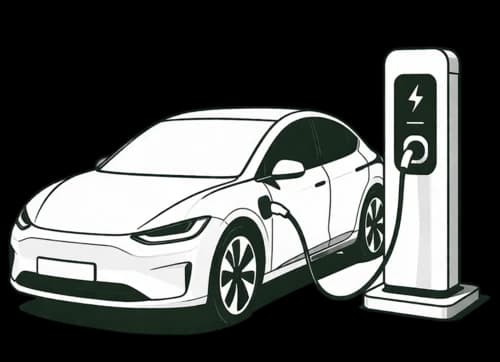
Charging station for your electric car: wallbox, costs and charging with solar power
Charging at home is the cheapest way to drive, and with a solar system the power from your own roof becomes your fuel. Here you can read which charging station suits which building, what it costs and what matters for the installation.
Which charging station do I need?
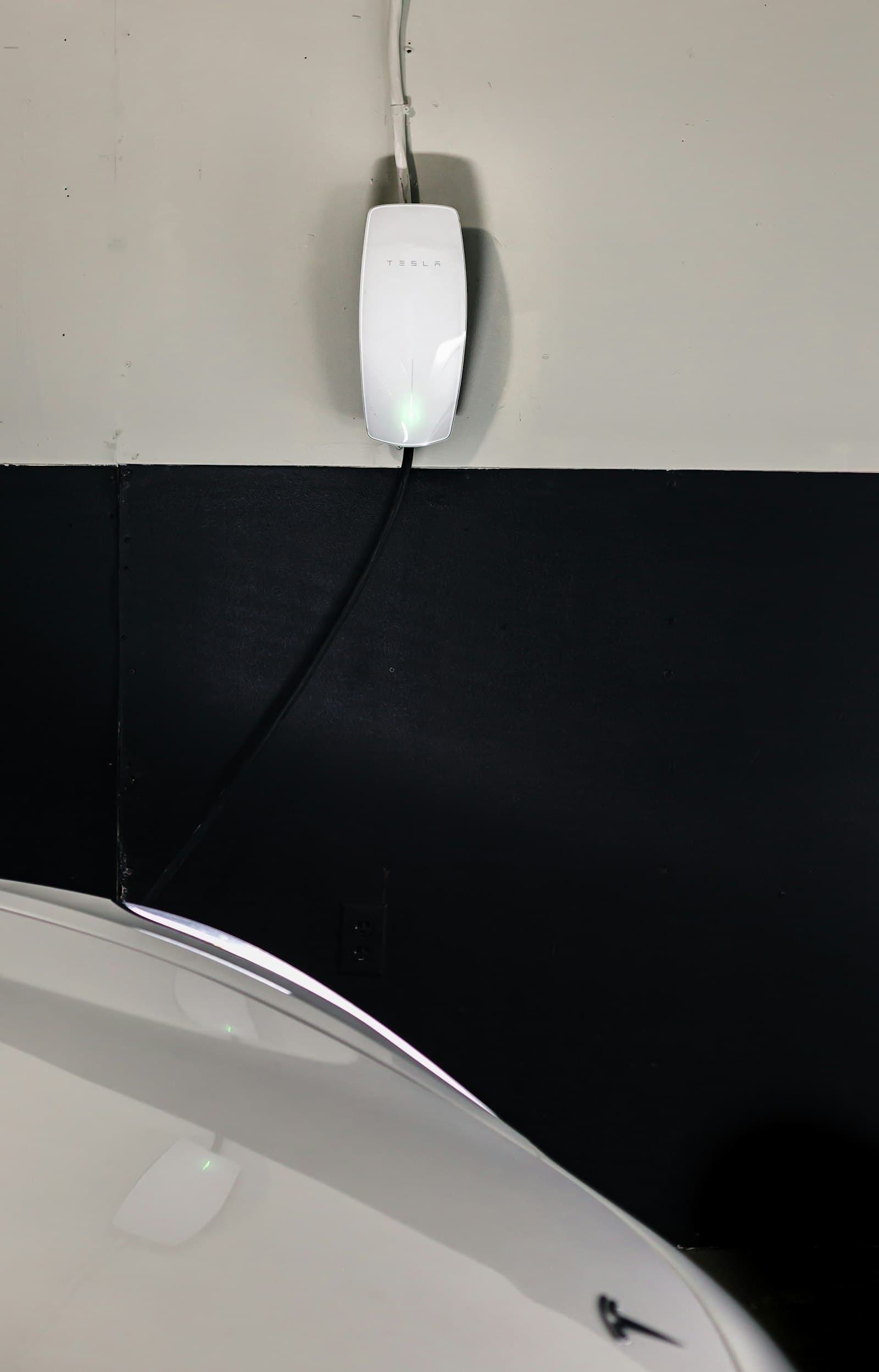
For a single-family home, a wallbox with 11 kW of alternating current is almost always enough. It fully charges an electric car overnight and can be run without upgrading the house connection.
In an apartment building, the shared infrastructure comes first: supply line, load management and billing. The individual charging points are added over the years as the residents get electric cars.
What does a wallbox cost?
In Switzerland, a wallbox typically costs CHF 1'500 to 5'000 including installation. The biggest difference comes from the route from the fuse box to the parking space. The longer the cable and the more work it takes to run it, the higher the price.
A bidirectional charging station with direct current costs considerably more, easily twice as much. In return, it can feed electricity from the car battery back into the house.
Charging with solar power
A wallbox with surplus charging raises the charging power when the roof produces more than the house needs at that moment. Every kilowatt hour that flows into the car this way instead of into the grid saves the difference between the tariff you pay for grid electricity and the feed-in tariff. Depending on the region, that is 15 to 25 Rappen.
This works best when the car is at home during the day. If you commute, you charge with solar power at the weekend and at night during the week. Load management makes sure that the wallbox, heat pump and household never overload the house connection.
Bidirectional charging: the car as a battery
With bidirectional charging, electricity flows in both directions. The battery of an electric car is several times larger than a home battery and can supply the house in the evening with solar power from midday. This requires a vehicle and a charging station that support it.
The technology is available, and the choice of vehicles is growing. Whether the extra cost pays off for you today depends on how often the car is parked at home during the day.
Charging stations in apartment buildings
In an apartment building, base charging infrastructure that prepares every parking space is worthwhile. Anyone who buys an electric car later only needs to have the wallbox fitted. Load management shares the available power among all vehicles, and billing is per charging point.
With a solar system and a self-consumption community, the power from the roof also flows into the underground car park. Several cantons subsidise base charging infrastructure per parking space.
Installation and notification
A charging station must be connected by a licensed electrician and reported to the grid operator. Depending on the power, an application is also needed. We check the house connection, handle the notification and commission the station.