Switzerland is replacing its fossil heating systems. Around 900,000 oil and gas boilers are still installed, and in many cantons a 1:1 replacement is no longer allowed. If you have to invest anyway, 2026 hands you two levers at once.
Lever 1: federal climate premium
The nationwide climate premium supports fossil heating replacement with CHF 1.80 per litre of heating oil or per m³ of natural gas saved, based on your previous annual consumption.
Important: the premium does not apply to single-family homes. It targets apartment buildings, commercial properties and high-consumption sites. Heat pumps below 40 kW are also excluded, as are replacements of electric heating and any installation in a new build.
Lever 2: cantonal building programme
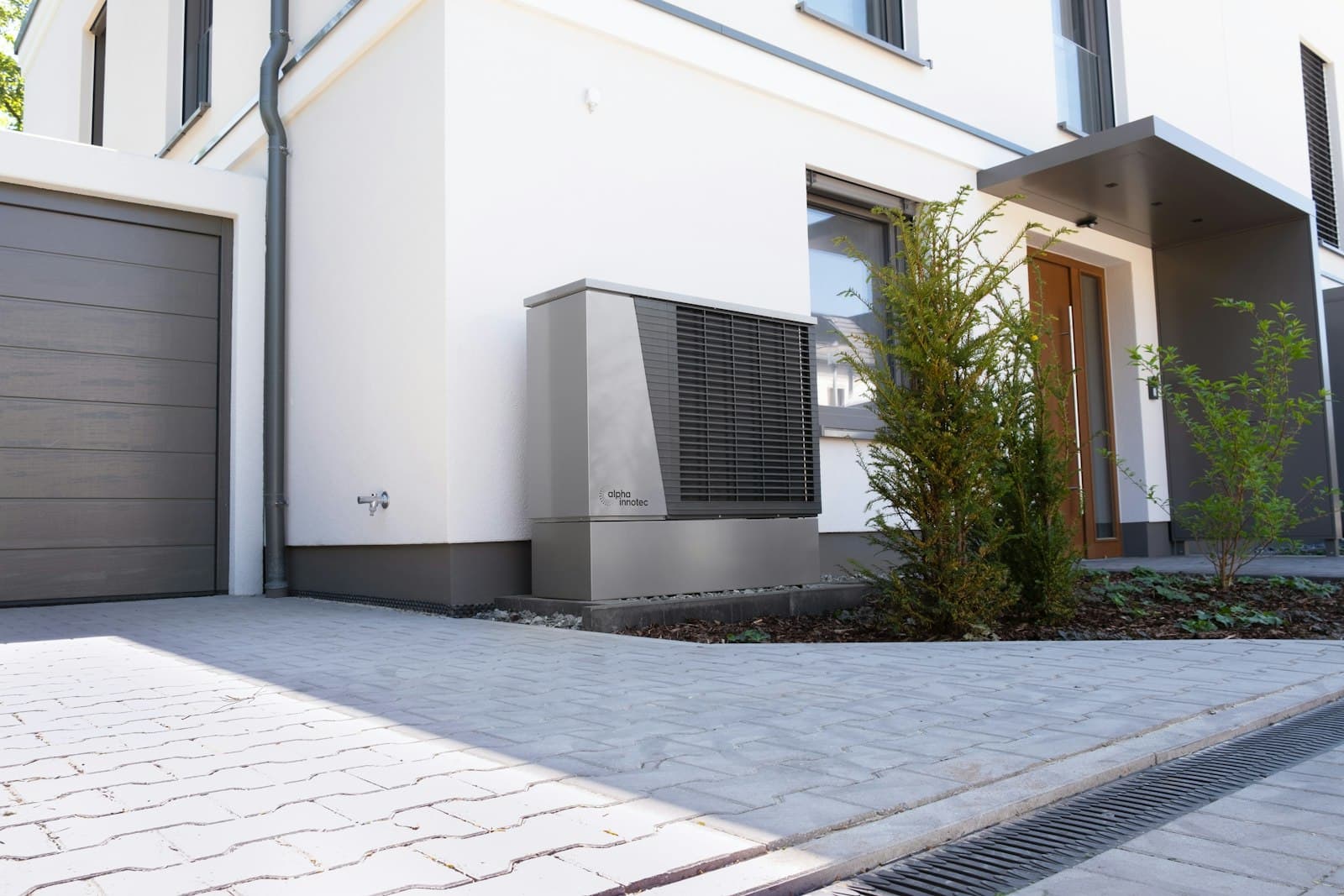
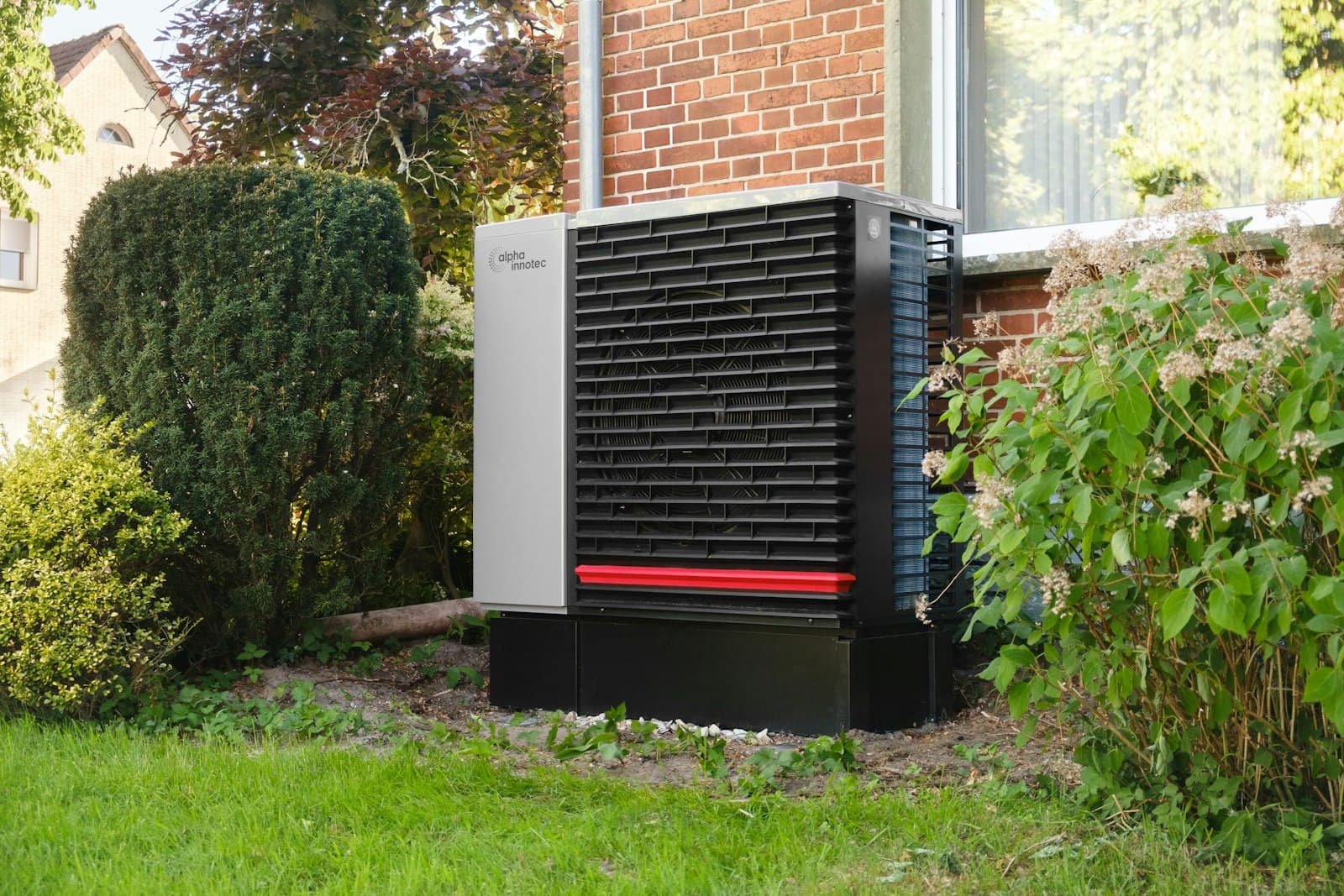
The cantonal building programme funds heat-pump replacement in single-family homes, with amounts that vary widely. Several cantons offer up to CHF 10,500 for a heat pump, often combined with grants for envelope work and full renovations.
A central overview is maintained at energiefranken.ch, enter your postcode, see all live programmes.
Lever 3: solar feeds the heat pump
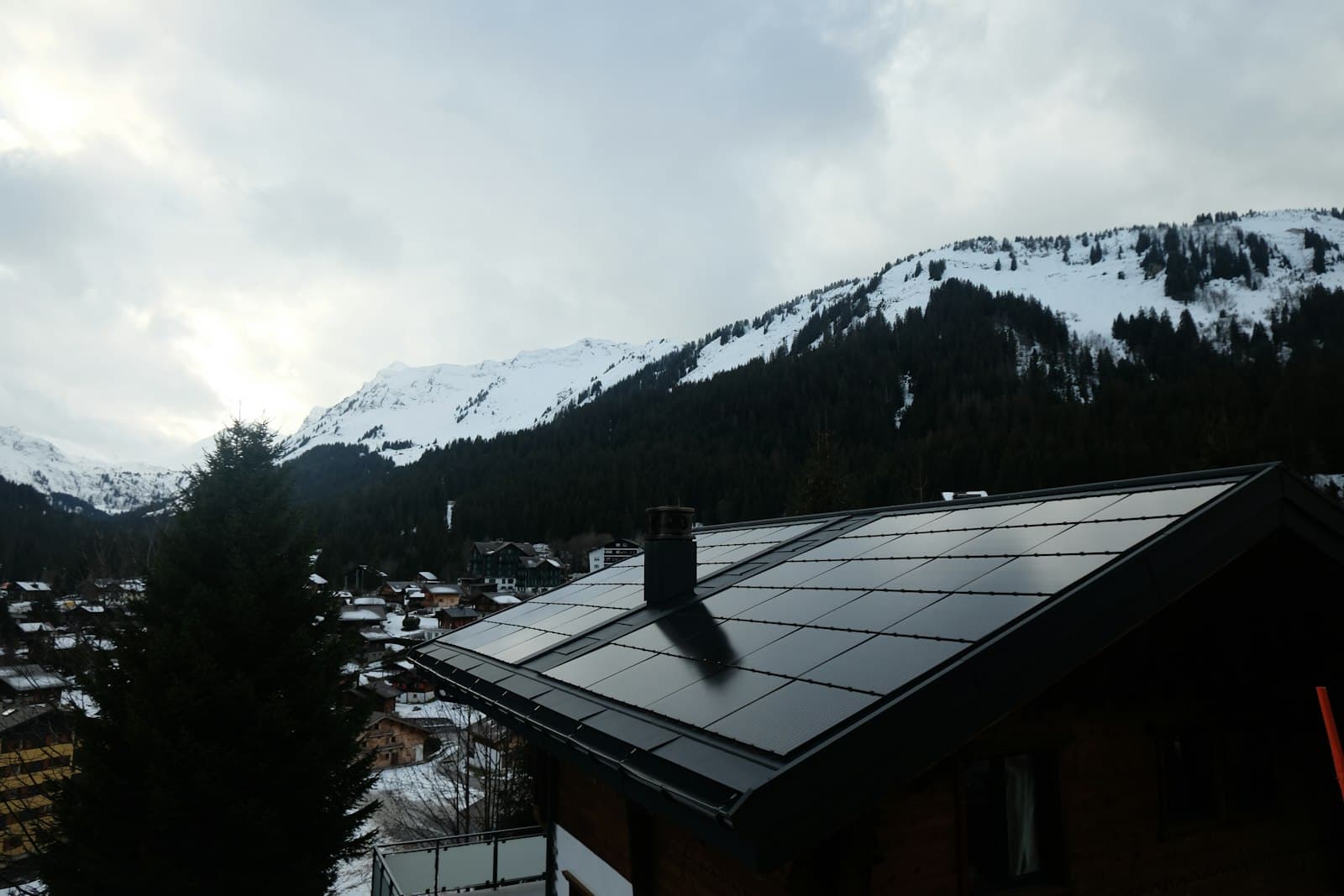
A modern heat pump with COP 4 uses around 3,000–4,500 kWh of electricity a year for an average Swiss single-family home. An 8 kWp solar system in Switzerland typically produces 7,000–9,000 kWh, the surplus covers a meaningful slice of heat-pump consumption.
With an energy management system the heat pump runs during sun hours; the buffer tank smooths the rest. Self-consumption typically rises from around 30 % (solar only) to 55–70 % (solar + heat pump).
Other 2026 changes worth knowing
- Like-for-like fossil replacement is no longer allowed in many cantons. Replacing an old oil boiler usually means switching to renewables or cutting demand by 10 %.
- Tax deduction: heating replacements and energy renovations remain fully deductible as property maintenance, including spread across several tax years.
- Mandatory advisory: several cantons now require a GEAK report or equivalent before you replace a heating system.
How a project actually runs
The typical 2026 sequence:
- Energy advisory / GEAK report (often itself subsidised)
- File subsidy applications (cantonal + climate premium where applicable), before signing contracts
- Choose the heat pump (ground, air or water source depending on site)
- Bring solar into the picture: even without a battery, PV cuts the heat pump's running cost
- Install, commission, file the final claim
Free State designs the heat pump and solar as one system, with Viessmann as a long-term partner. We prepare the subsidy paperwork; you sign and receive the grant directly from the canton or federal programme.
Let us run the numbers on your heating.
Sources: Energie Zukunft Schweiz (climate premium), cantonal building programme, Energiefranken, Swiss Federal Office of Energy. As of April 2026. Information without guarantee.