For the first time in years, the Swiss photovoltaic market shrank. New installations totalled 1,526 MW in 2025, 15 % below the record year 2024 (source: pv-magazine, 8 April 2026).
It looks surprising. Up close it is not a structural break, it is the sum of three specific problems that all hit in 2025.
What slowed 2025 down
- Falling feed-in tariffs. Following wholesale prices, some grid operators paid under 5 Rp./kWh in 2024 and 2025. Old amortisation models started wobbling.
- Grid-connection bottlenecks. Systems above 30 kW waited months in some distribution areas. Owners pulled or postponed projects.
- Reform uncertainty. The Mantelerlass was passed, but the implementing ordinances were not final until late in 2025. Anyone planning a project sat on shifting ground.
What is structurally different in 2026
The reforms that came into force on 1 January 2026 directly hit those three brakes.
A national minimum tariff protects against worst-case market drops, systems under 30 kW are guaranteed at least 6 Rp./kWh, with a sliding scale up to 150 kW. Amortisation is bankable again.
The LEG and vZEV shift the lever away from feed-in pricing toward self-consumption and neighbourhood trading. If you sell internally, the wholesale price stops mattering as much.
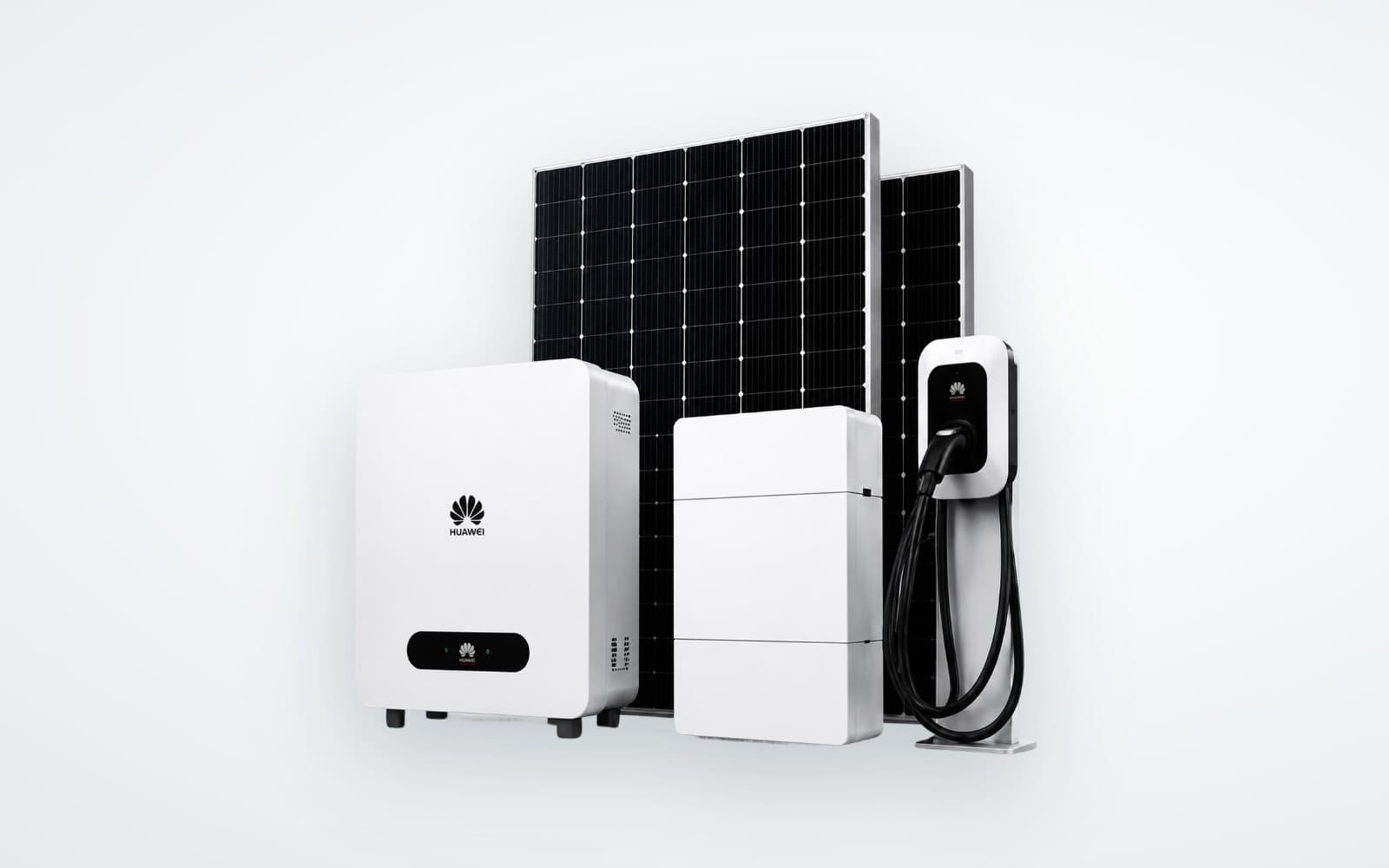
The grid-fee exemption for storage makes batteries and neighbourhood storage materially more economic.
What Swissolar expects
The industry body Swissolar projects that solar will already provide 17 % of Switzerland's net electricity consumption in 2026, nearly half the output of the country's nuclear fleet.
On the investor side, Swissgrid's April 2026 white paper anchors the path: the national target of 40 GW of PV by 2050. Switzerland currently sits cumulatively around 9.62 GW.
What this means for homeowners
Three sober points:
- If you postponed in 2025, start in 2026, the framework is better, not worse.
- Pure feed-in strategies were the 2025 trap. In 2026, self-consumption is the lever.
- Module prices keep falling, but the right question is no longer "when will modules be cheaper?", it is "when will my roof be busy?".
Free State designs systems whose economics do not hinge on feed-in tariffs. Under SolarFree we carry the market-price risk, you pay a fixed kWh price for 35 years.
Sources: pv-magazine International (8 April 2026), Swissolar, Swissgrid, Swiss Federal Office of Energy. As of April 2026. Information without guarantee.