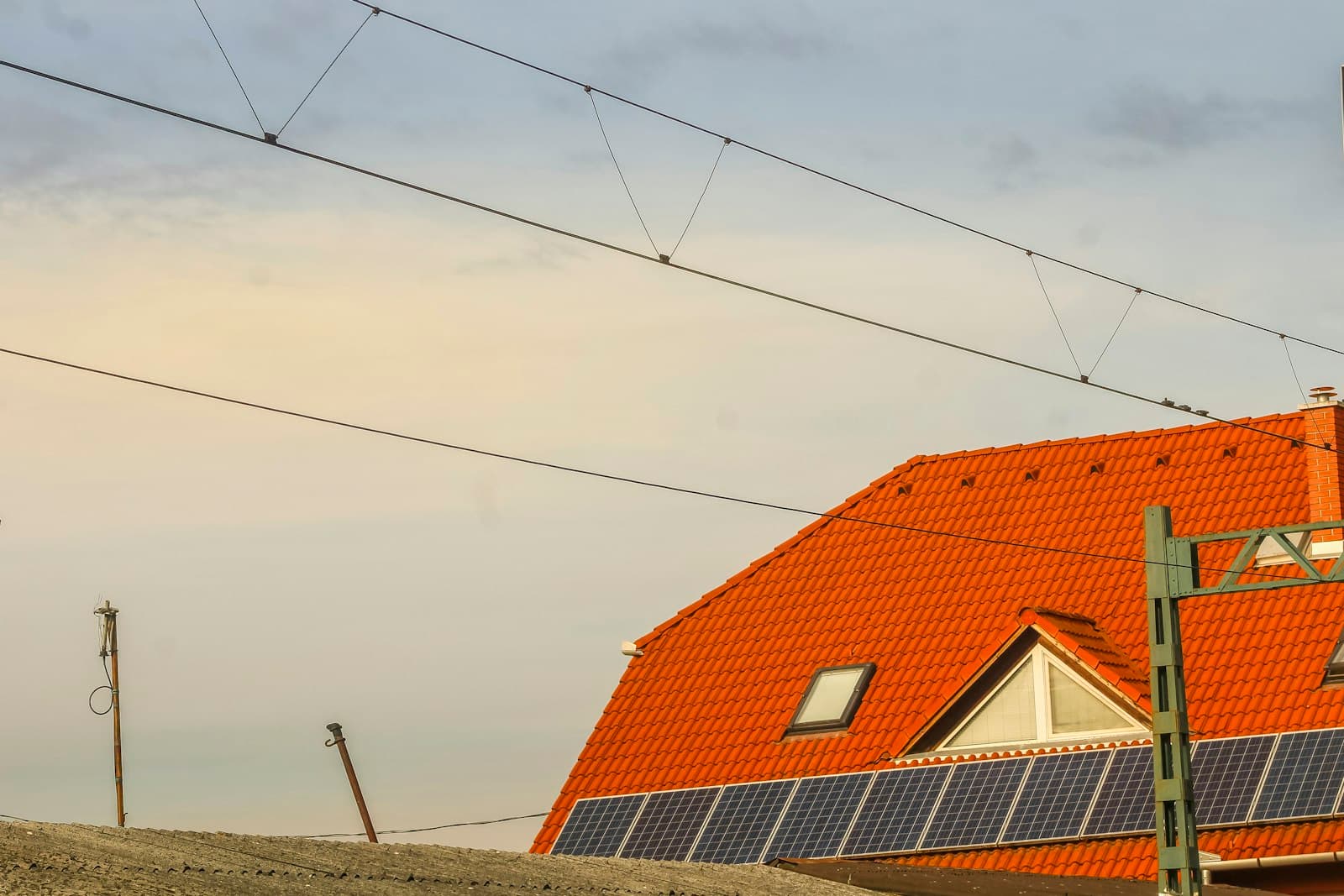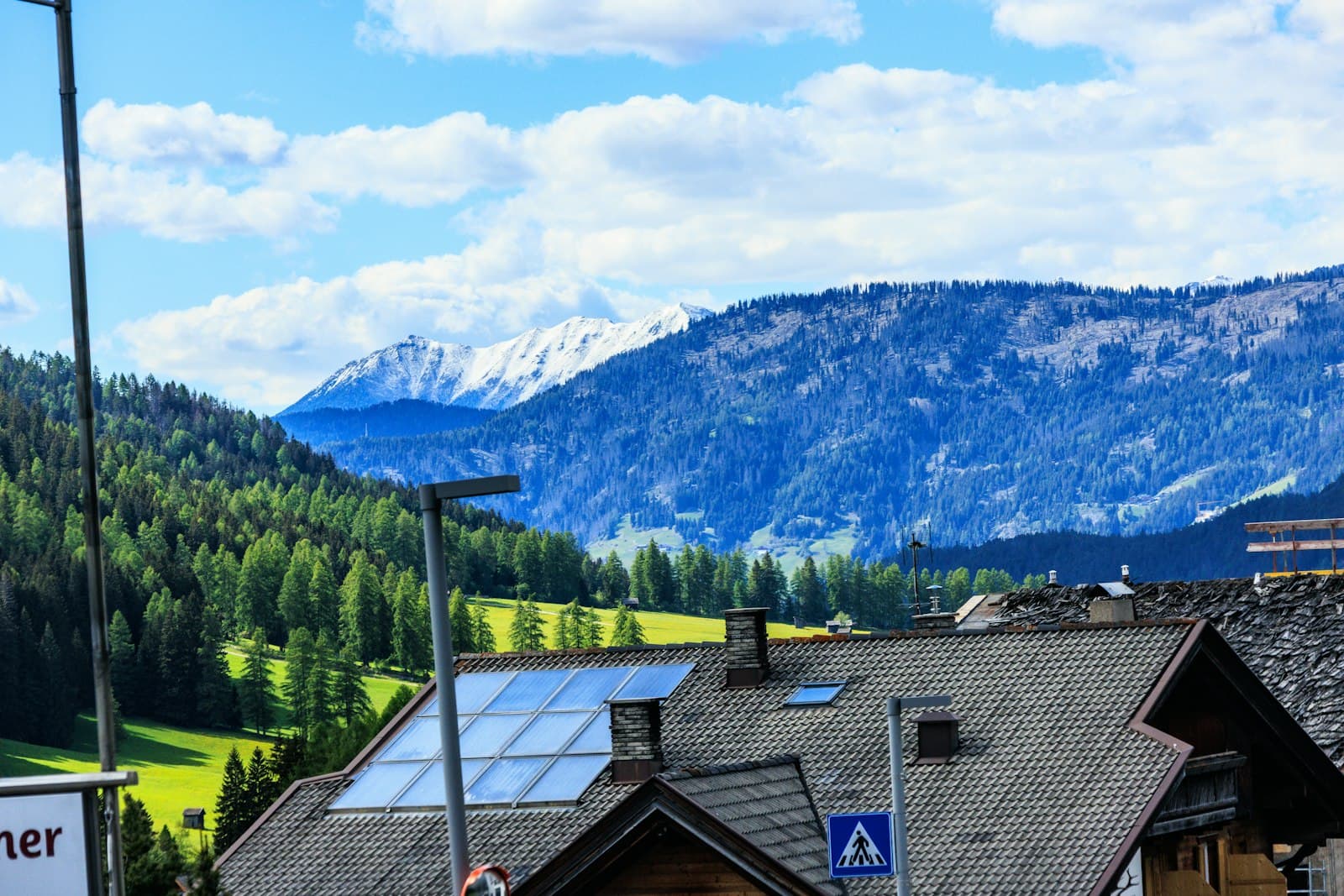
On 1 January 2026, the second part of Switzerland's Mantelerlass (the updated electricity act) enters into force. For photovoltaic (PV) systems it is the biggest reform since the introduction of the one-off subsidy. Here is what homeowners, landlords and businesses need to know, and how to benefit.
1. A national minimum feed-in tariff
Until now, every grid operator set its own feed-in tariff, with spreads of up to 4x between neighbouring municipalities. From 2026, a nationwide floor applies for systems below 150 kW:
- Systems up to 30 kWDC: at least 6 Rp./kWh
- Larger systems up to 150 kW: degressive down to about 1.2 Rp./kWh at 149 kW
Tariffs now follow a quarterly reference market price published by the Swiss Federal Office of Energy. Whenever the market price drops below the floor, the minimum kicks in, a safety net that makes amortisation calculations far more predictable.
2. The "70% rule" for grid-serving feed-in
From 2026, grid operators may cap feed-in at 70 % of installed PV capacity (Art. 19c StromVV). Simulations show the real-world yield loss stays under 3 % per year because peak hours are rare.
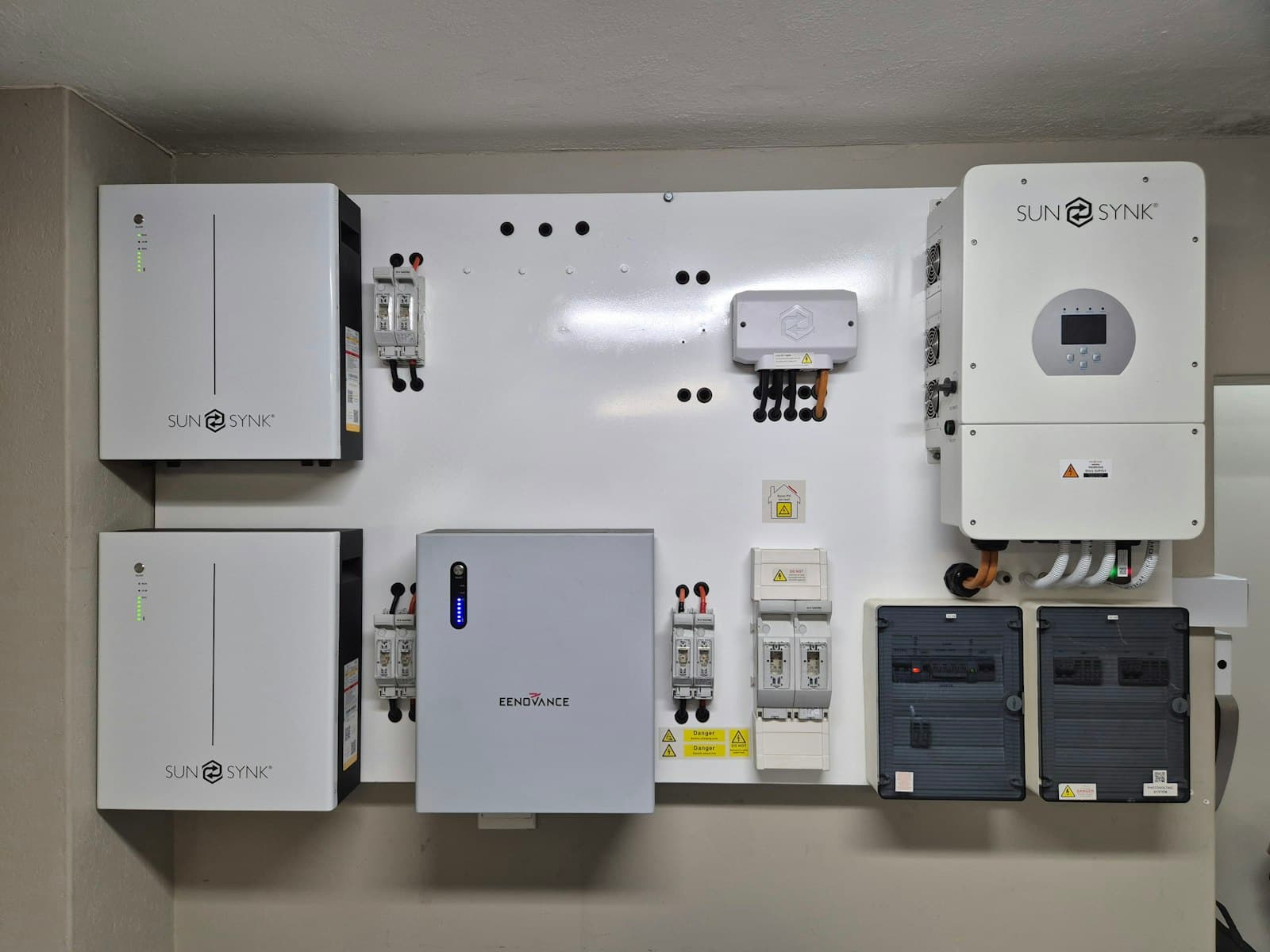
The key point: self-consumption and battery storage are exempt. Redirect surplus into domestic hot water, a heat pump, an EV or a battery and you lose nothing. An energy management system is the decisive component.
3. Local Electricity Community (LEG), brand new
The headline change: an LEG allows solar power to be traded across the public distribution grid for the first time, between neighbouring buildings without a dedicated line.
- Members must sit in the same municipality, the same grid area and on the same voltage level
- 40 % rebate on the grid usage fee for power traded inside the LEG (20 % when crossing voltage levels)
- Smart meters are mandatory, operators must install them within three months on request
For property portfolios, neighbourhoods and business clusters, the LEG opens a completely new revenue stream.
4. Virtual self-consumption community (vZEV)
The classic ZEV only worked behind a single grid connection. The new vZEV lets buildings with separate connections in the same area join virtually, no expensive cross-wiring. Ideal for multi-building developments and apartment blocks.
5. Winter bonus replaces the altitude bonus
The altitude bonus for alpine installations is gone. In its place is a winter bonus for systems above 100 kW that produce more than 500 kWh/kWp during the winter half-year (Art. 30c EnFV). This rewards steep tilts and façade installations everywhere in Switzerland, not just in the Alps.
6. Battery storage is exempt from grid fees
From 1.1.2026 (Art. 18d StromVV), storage operators can reclaim the grid fee on power that was imported, stored, and later re-exported. With appropriate metering in place, large and neighbourhood batteries become significantly more economic.
7. Simpler approvals for façade PV
From 2026, façade-integrated systems qualify for the notification procedure (Art. 32abis RPV) if they are rectangular, compact and protrude no more than 20 cm from the façade. No building permit required, no long waits.
What does this mean for you?
2026 is a strong year to launch a solar project:
- Single-family home: The floor tariff cushions you against falling export prices. Pair solar with storage and a heat pump and you can push self-consumption above 70–80 %.
- Apartment building: vZEV and LEG unlock self-consumption across several buildings and a grid-fee discount, without invasive retrofits.
- Commercial / industrial: Large batteries become much more attractive with the grid-fee refund, and the LEG lets you sell surplus to neighbouring businesses.
At Free State AG we run your project from site survey to commissioning, at a fixed electricity tariff for 35 years in the SolarFree model, or with direct ownership via SolarDirect. Book a no-obligation call.
Sources: Swissolar, VSE/strom.ch, Swiss Federal Office of Energy, ElCom. As of April 2026. Information without guarantee.