In April 2026, Swissgrid. Switzerland's national transmission operator, published a white paper that is unusually direct: the political target of 40 GW of photovoltaics by 2050 is "hardly conceivable" with current processes.
That is not a rejection. It is a manual. And it has direct implications for homeowners, developers and businesses.
Where Switzerland sits today
Cumulative PV capacity at the end of 2025 was around 9.62 GW. The 2050 target is roughly four times higher. Swissolar projects that solar will already cover 17 % of net electricity consumption in 2026.
The bottleneck is not module production or roof area. It is integration into the grid: distributing midday peaks, storing summer surplus into winter, preventing congestion.
What Swissgrid is asking for
The white paper names four areas where Swiss regulation, market signals and processes have to align:
- Market signals: tariffs need to reflect scarcity and surplus. Static feed-in tariffs do not match volatile generation. The 1 January 2026 reform (quarterly market-price indexing) is a step, but only the first.
- Incentives for self-consumption and storage: the more electricity is consumed or stored where it is produced, the less the grid has to carry. LEG and the storage grid-fee exemption are designed for this.
- Faster permits: on 1 April 2026 the approval procedures for solar, wind and hydro of national interest were shortened, centralised plan approvals at canton level, streamlined appeals.
- Grid expansion: none of this works without a clear investment framework for distribution grids. That requires political decisions giving operators planning certainty.
What this means for homeowners
Three lessons from the white paper that already matter today:
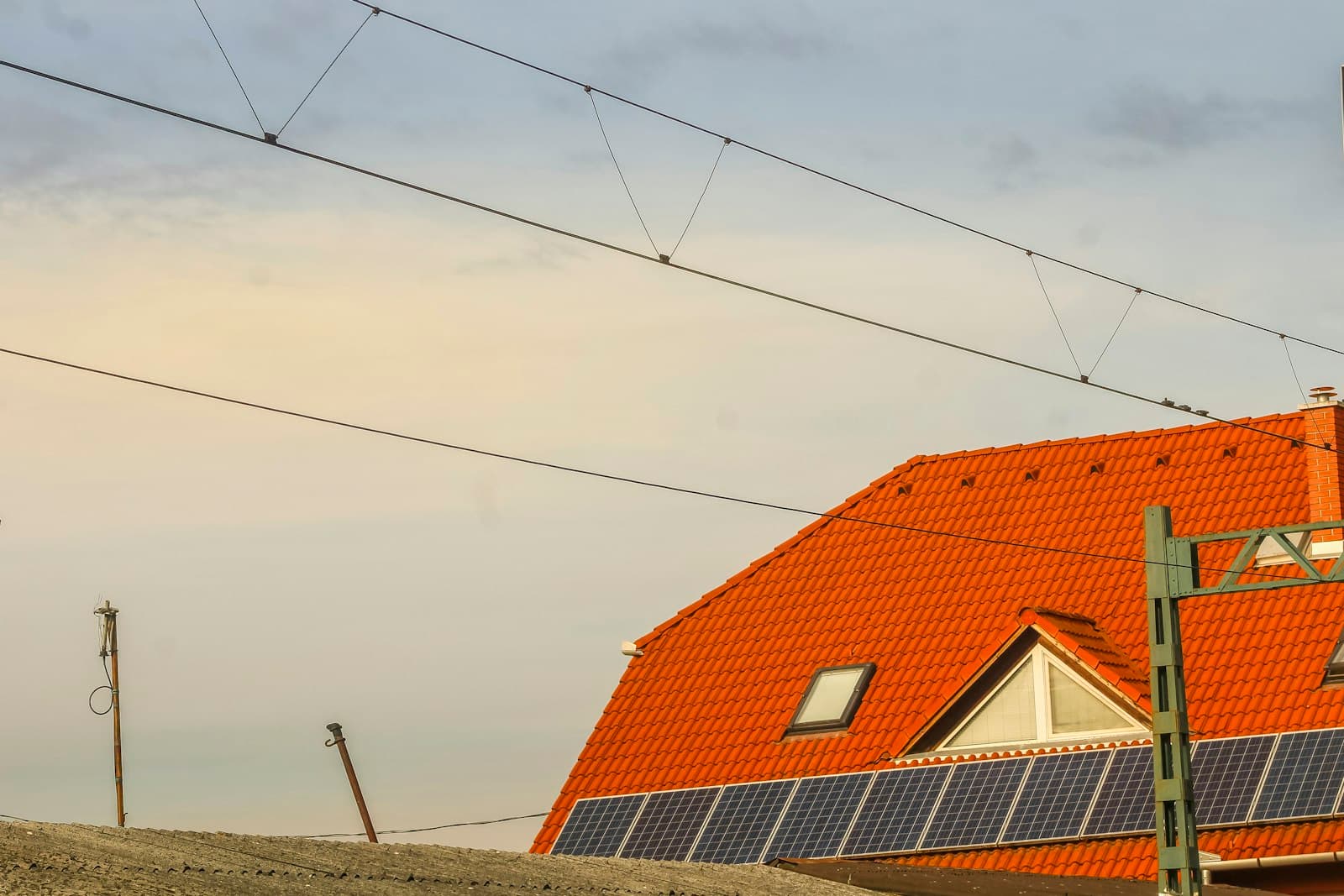
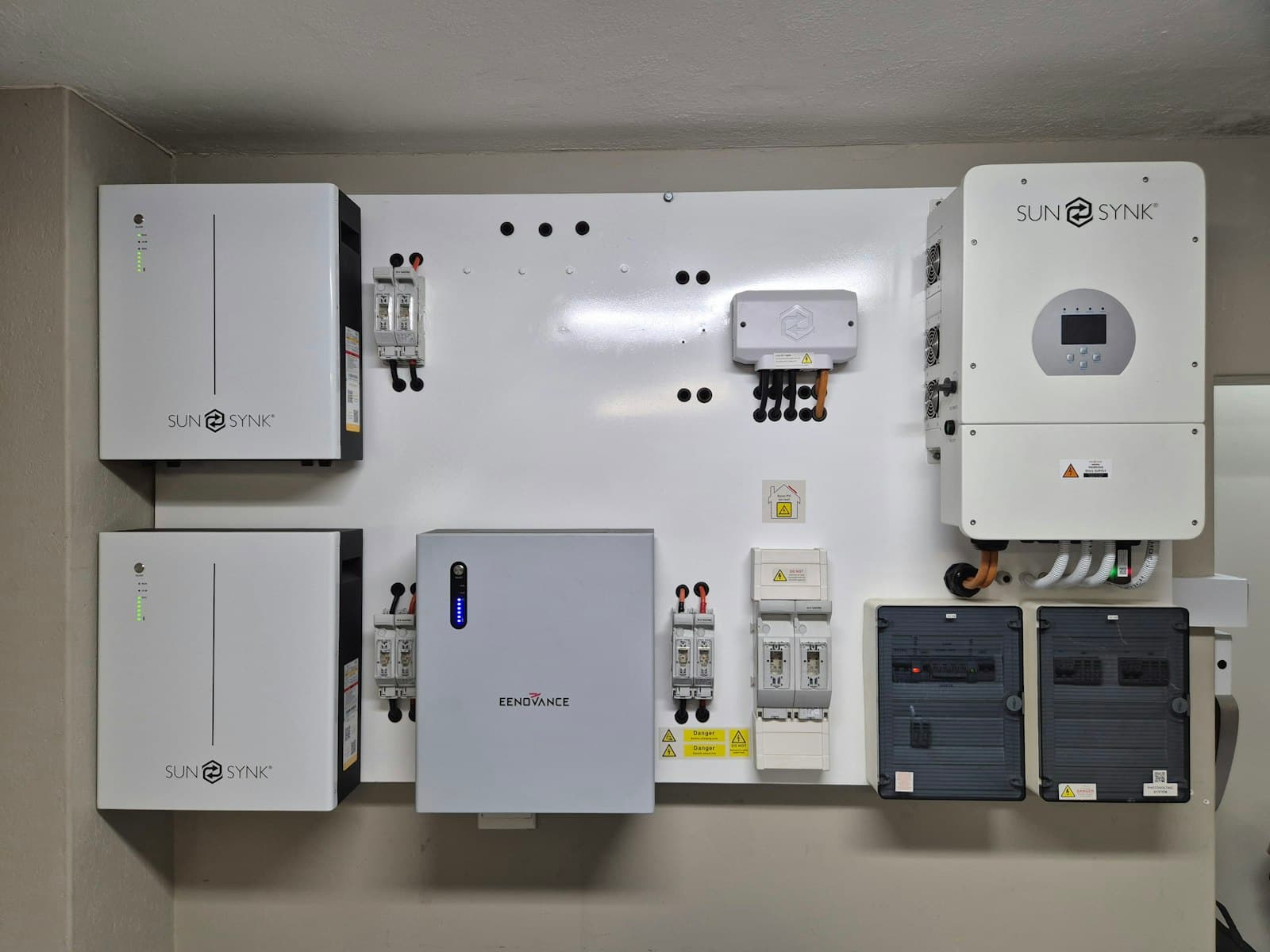
- Self-consumption is rewarded, structurally. Not as political favour, but because the grid needs it. Systems with storage and smart energy management win.
- LEG is not a nice-to-have. The national transmission operator itself sees local networking as a key. If you are thinking about apartment buildings or commercial clusters, design LEG-ready.
- Earlier movers get the calmer connection. As pressure rises, waits and conditions get less pleasant. Filling a roof in 2026 is easier than in 2030.
What Free State takes from it
We design systems that work with the grid, not against it: high self-consumption, storage as standard, energy management with open interfaces, LEG-ready configuration out of the box.
Under SolarFree we carry the long-term risk over 35 years. Whatever happens to market prices, your kWh tariff is fixed.
Sources: Swissgrid white paper "Integration of PV into the Swiss electricity system" (April 2026), pv-magazine International (10 April 2026), Swiss Federal Office of Energy, Swissolar. As of April 2026. Information without guarantee.