
How it works
A heat pump works in reverse, extracting ambient heat for heating.
Construction of a heat pump
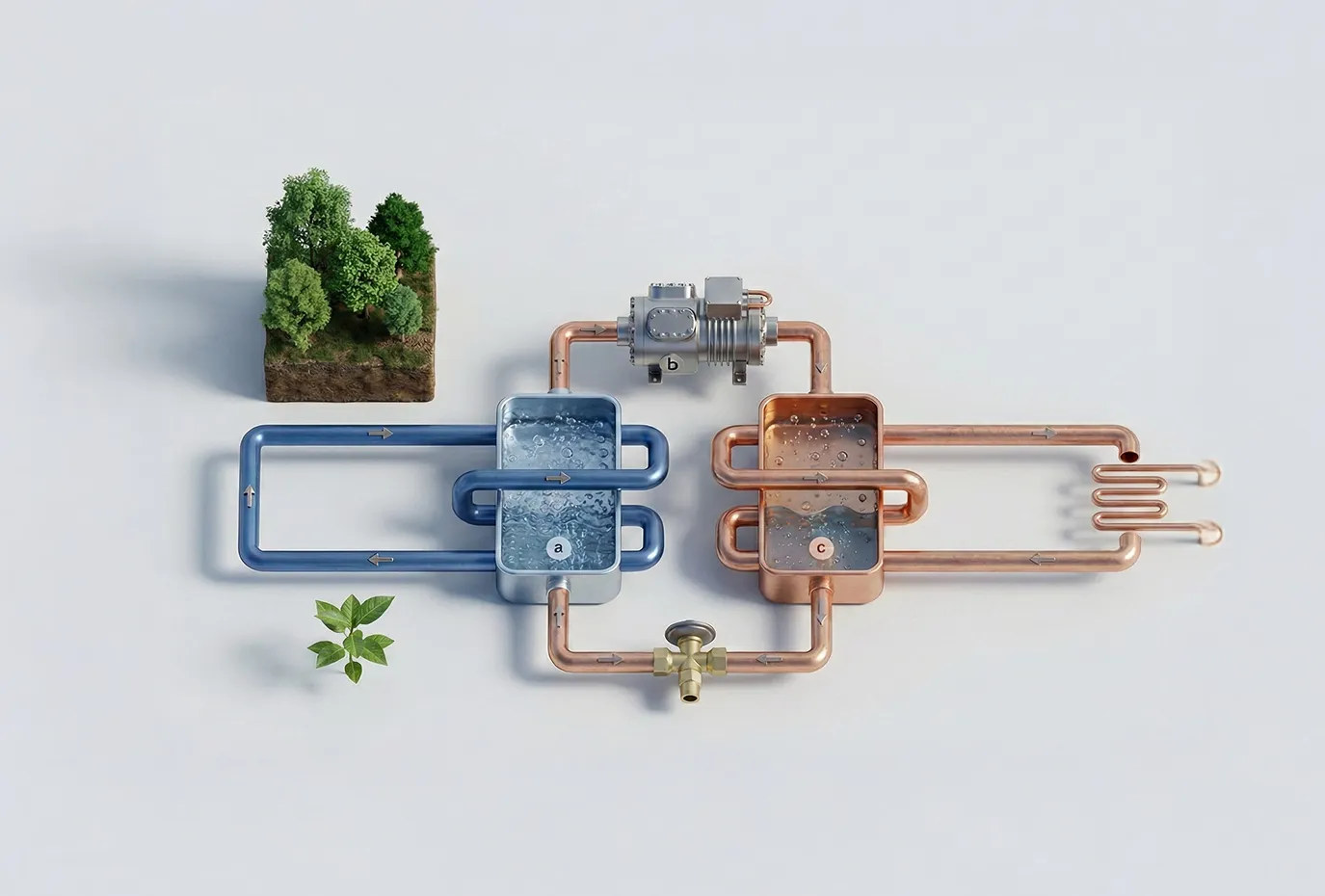
A heat pump includes a heat source, the pump unit, and a heat distribution system. It operates in a closed cycle: the evaporator extracts heat, the compressor increases its temperature, the condenser transfers it to the heating system, and the expansion valve resets the cycle.
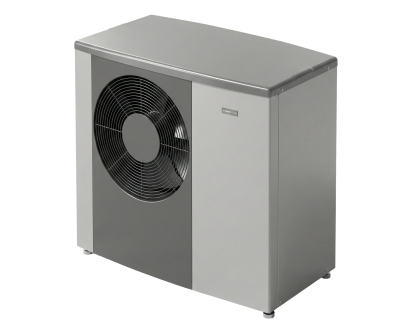
This is how the heat pump works
A heat pump has three components: the heat source, pump unit, and distribution system.
Heat pump types
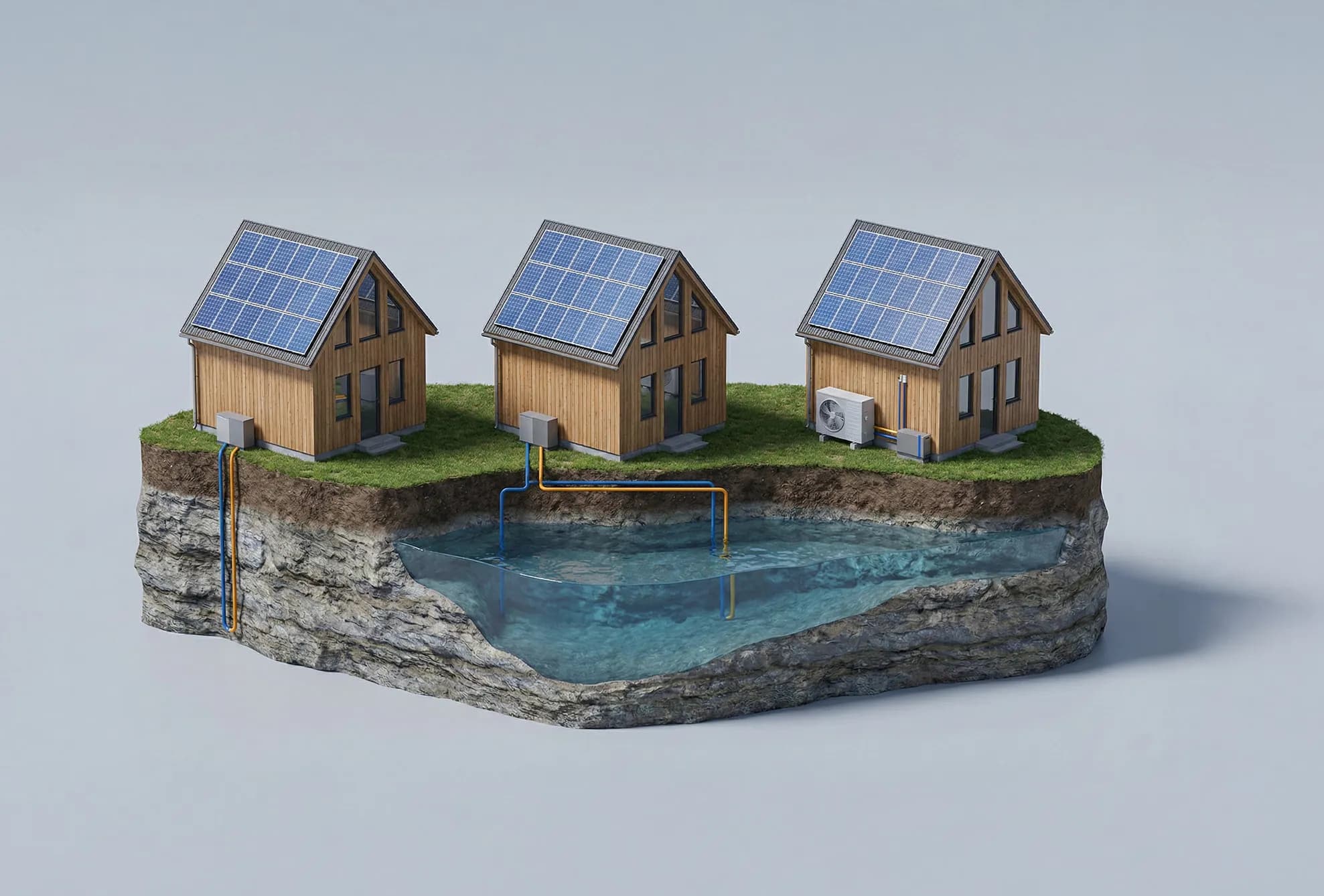
Depending on the energy source (ground, water, or air), different heat pump types are available.
How these three heat pumps work:
Ground source heat pump (geothermal)
Uses stable ground temperature for highly efficient heating. Requires drilling, higher investment, and municipal approval.
Water-to-water heat pump
Uses groundwater or surface water for very high efficiency. Needs suitable water conditions and official permits.
Air-to-water heat pump
Extracts heat from ambient air to heat the home. Simpler installation and lower upfront cost.
Get a free, no-obligation quote now!
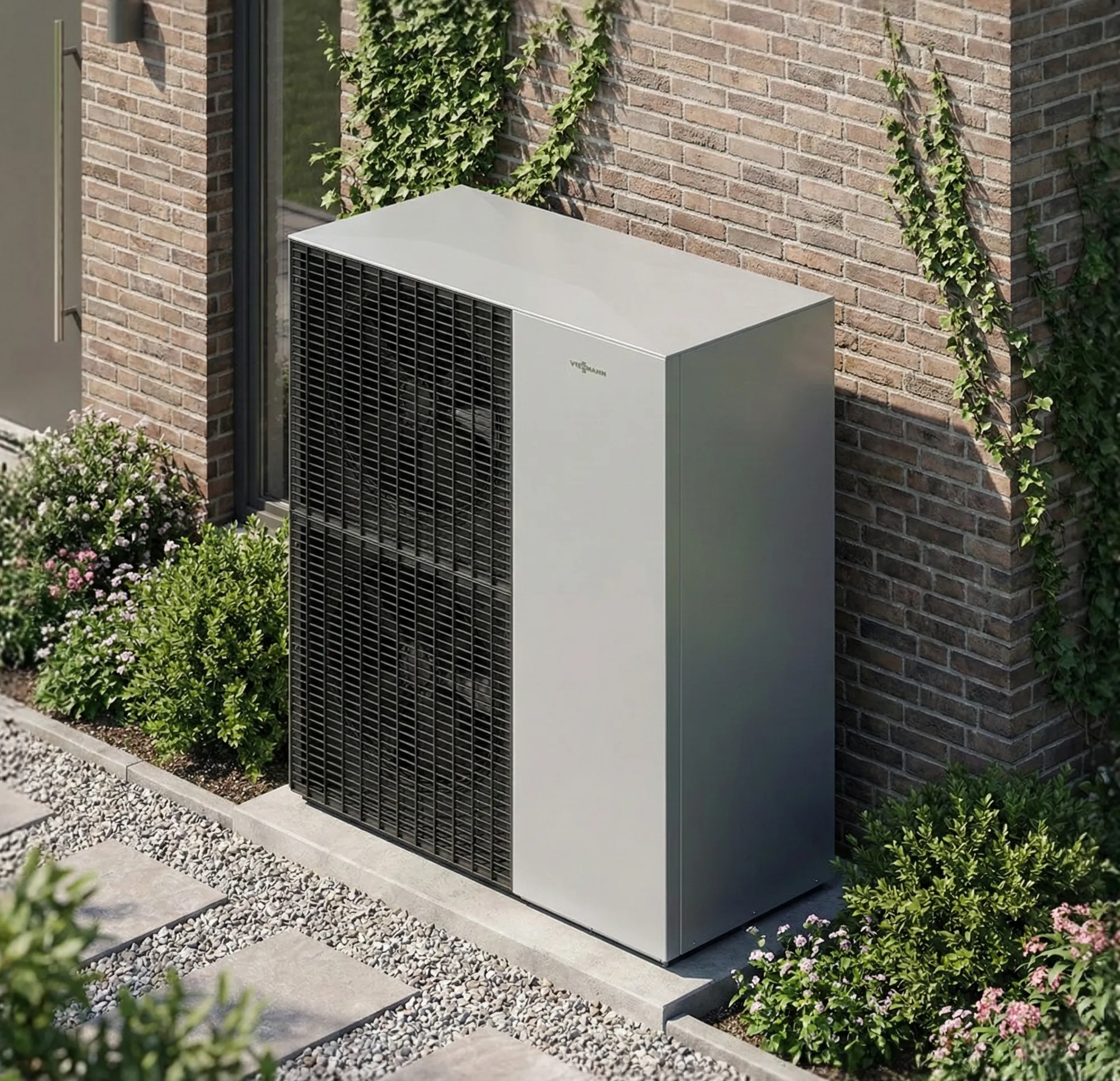
Indoor or outdoor installation?
Air-to-water heat pumps can be installed indoors or outdoors, both equally viable.
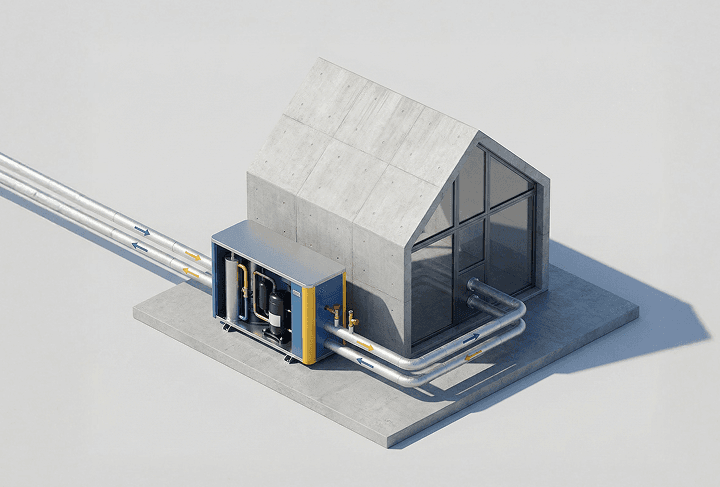
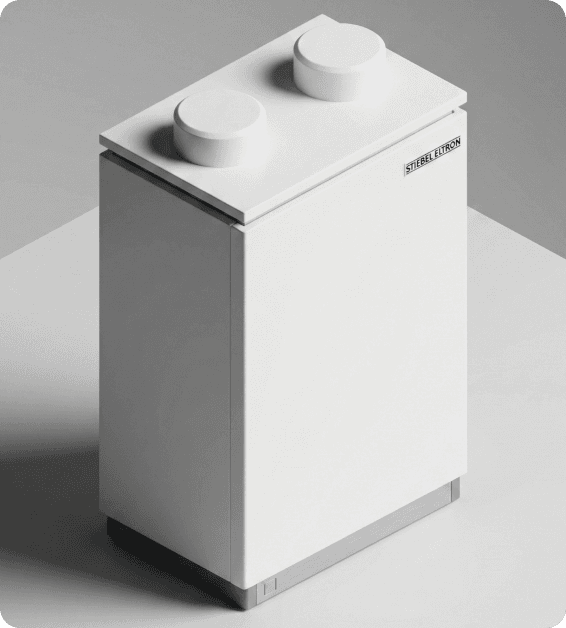
Indoor: unit in the basement, with outside air intake and exhaust.
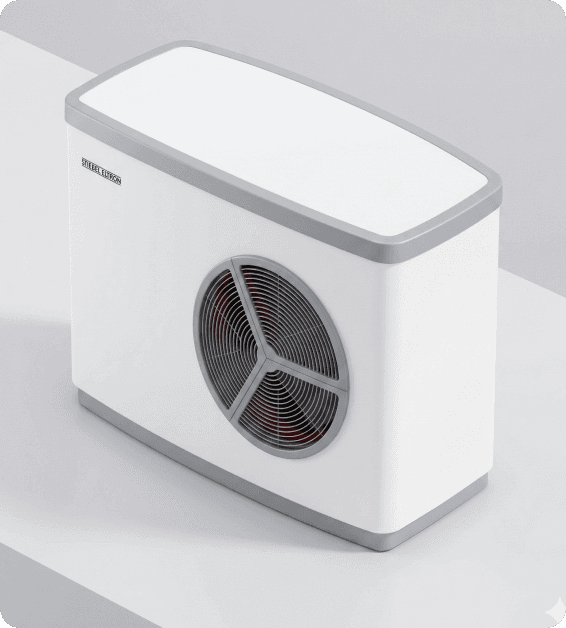
Outdoor: compact unit outside transfers heat indoors.
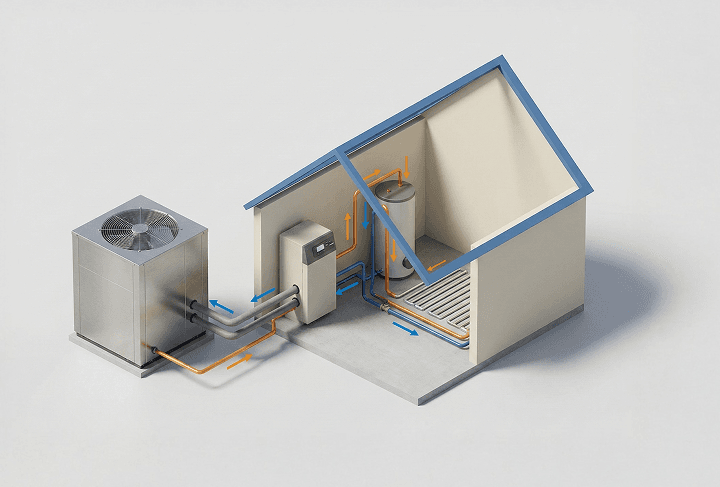
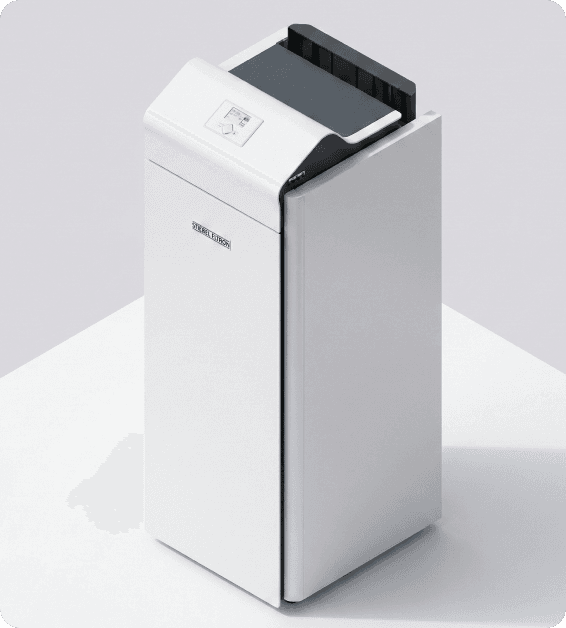
Split: evaporator outside, condenser inside.
Heat pump for indoor installation
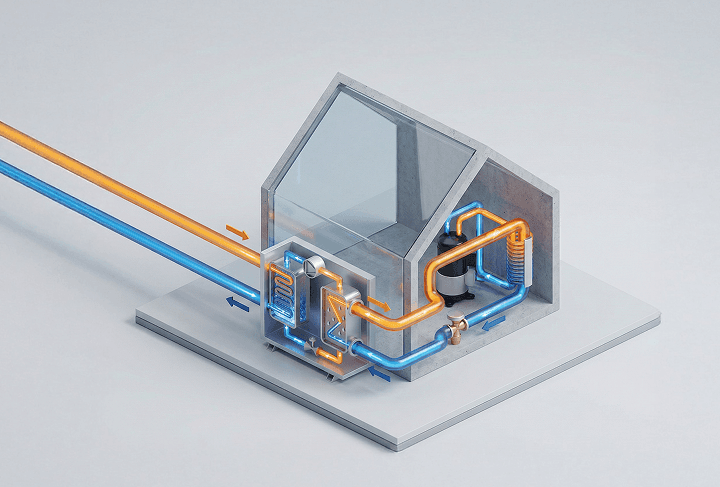
Outdoor heat pump
Split heat pump
Which heat pump do I need?
Air-to-water heat pumps are easy to install, cost-effective, and the most common in Switzerland. Ground source heat pumps are highly efficient but require more installation effort, while water source systems are extremely efficient yet rarely approved due to regulations. The best option depends on your specific property.

In 2016, almost 67% of all heat pumps sold in Switzerland were air-to-water heat pumps.
Heat pumps - products and manufacturers
Heat pump versus oil heating
Further advantages of heat pumps
Lower long-term costs than oil
Cheaper heating over time
Uses 3× less energy
70–80% renewable energy
More eco-friendly than oil
Low maintenance, 20-year lifespan
Why FreeState?
From consultation and planning to installation and maintenance, we handle every step so you don't have to.
Our team takes care of maintenance and faults and is there for you.
We use only premium, certified components from leading manufacturers for lasting performance.
Our systems are designed to integrate seamlessly into your living space with minimal noise impact.
Our specialists bring years of experience in heat pump technology and energy solutions.
Built-in redundancy and monitoring ensure your system operates reliably, even in extreme conditions.
Further topics on heat pumps

Financing heat pump
Finance or buy a heat pump?

Cost
How much does a heat pump cost?
System comparison
Which system is right for you?