
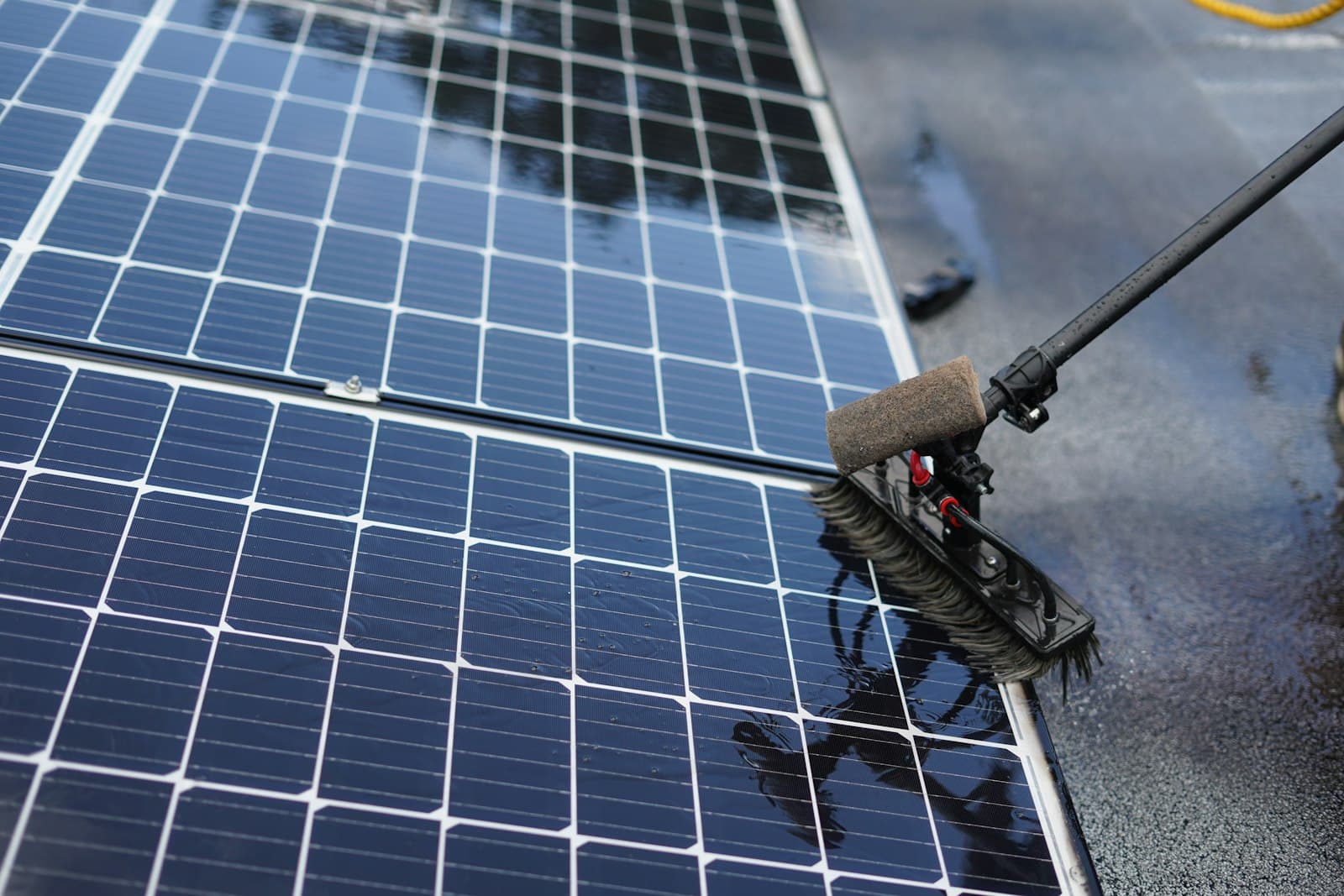
8 min read
Was kostet eine PV-Anlage wirklich? Wartung, Reinigung und Wechselrichter-Tausch in Zahlen
Die jährlichen Folgekosten einer PV-Anlage sind tief, aber nicht null. Hier die ehrlichen Zahlen für die 25 Jahre nach dem Bau.
Read more
Die jährlichen Folgekosten einer PV-Anlage sind tief, aber nicht null. Hier die ehrlichen Zahlen für die 25 Jahre nach dem Bau.

Die Strompreise sinken 2026 um vier Prozent. Trotzdem lohnt sich eine Photovoltaikanlage. Hier die ehrliche Rechnung mit Mindestvergütung, Eigenverbrauch und Steuerabzug.

Mit dem Solar-Boom 2024/2025 sind in der Schweiz Hunderte neuer Anbieter entstanden. Einige sind seriös, andere nutzen den Boom für Drückerkolonnen. Acht Warnsignale, an denen Sie unseriöse Solar-Offerten erkennen, und was Sie stattdessen tun.
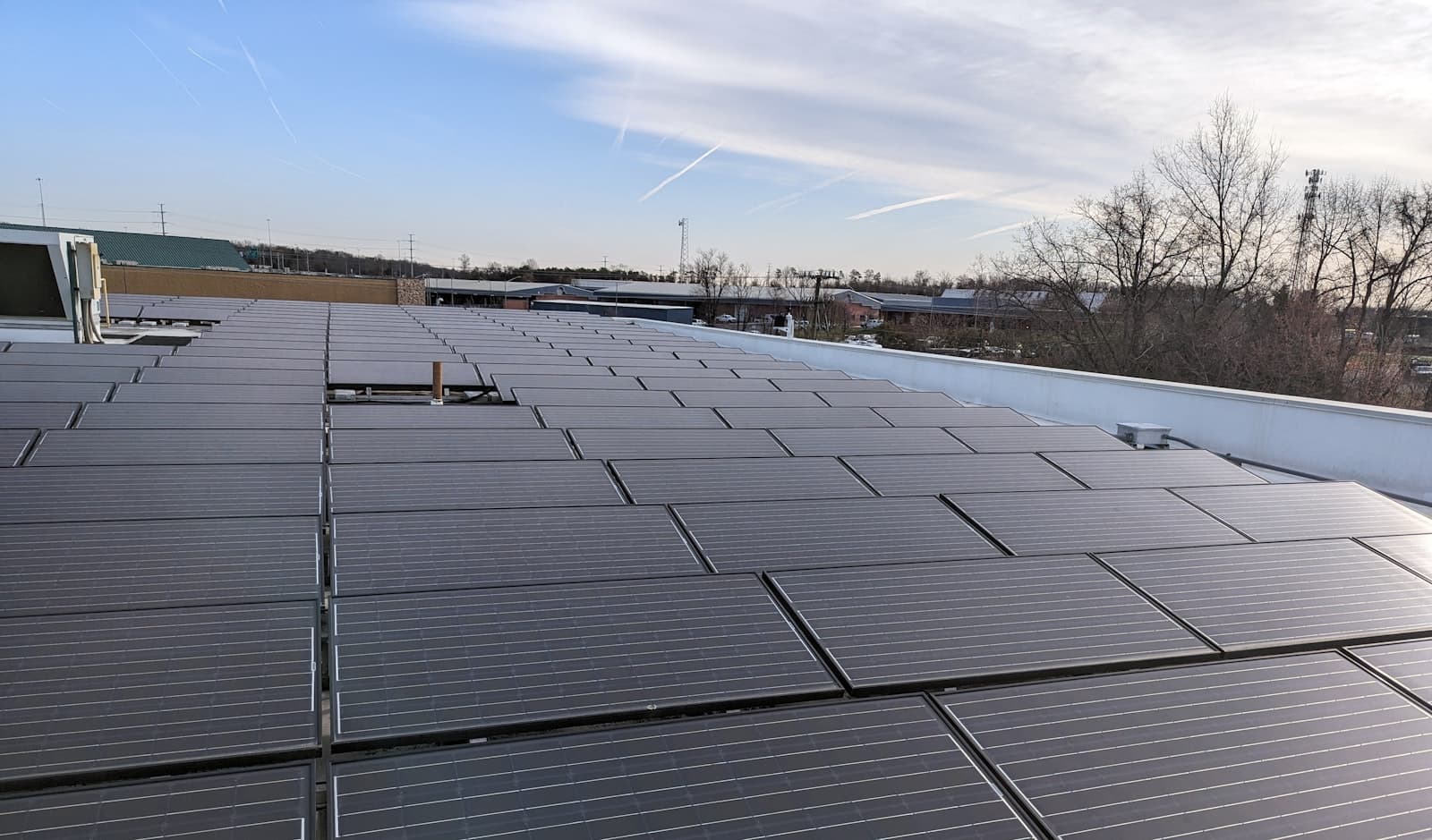
Die alte Faustformel "1 kWp pro 1'000 kWh" hat 2026 ausgedient. Hier ist die neue Rechnung für Schweizer Haushalte mit Wärmepumpe und E-Auto.
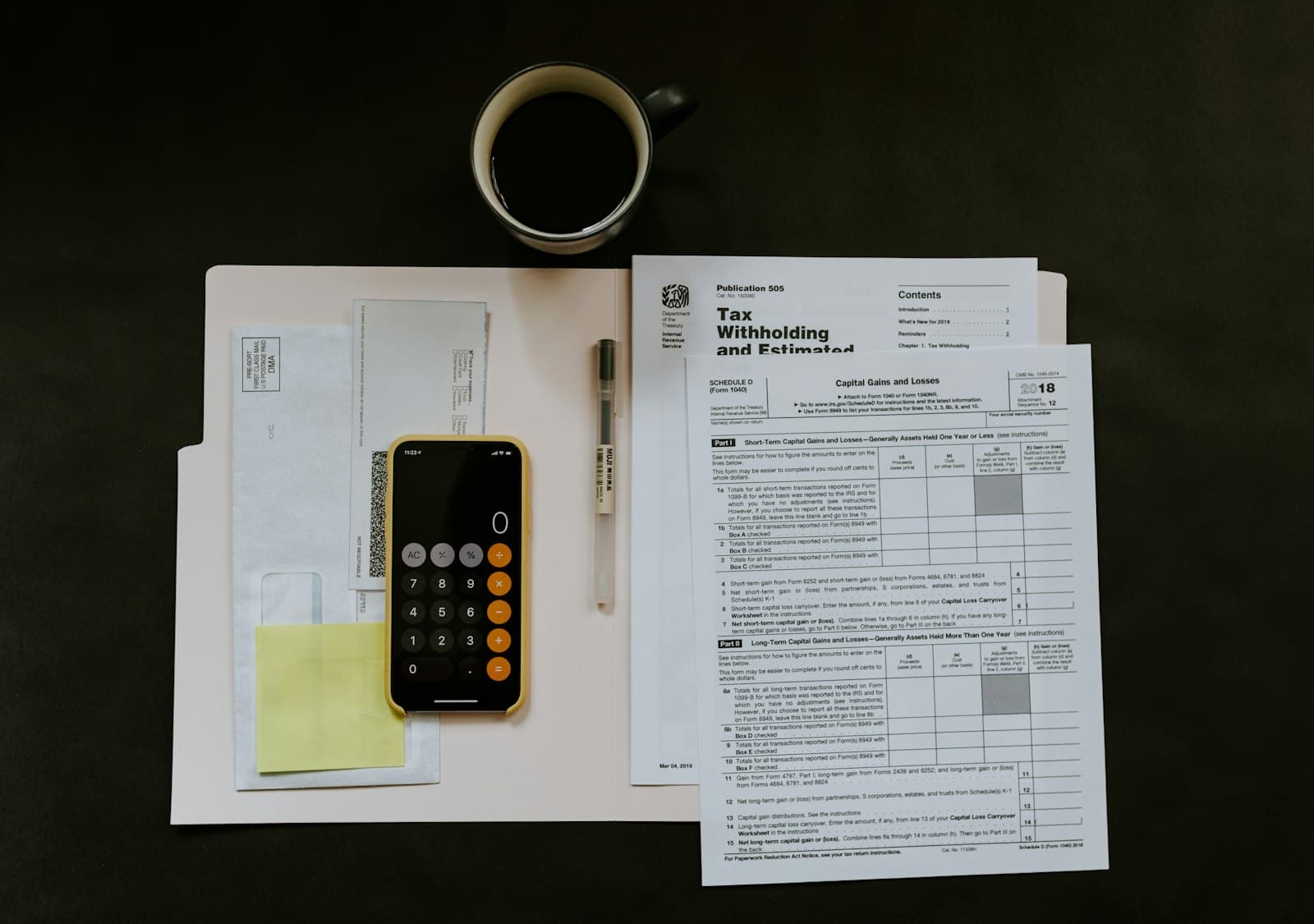
Der Bundessteuerabzug für Photovoltaik läuft voraussichtlich Ende 2027 aus. Wer die Anlage 2026 oder 2027 in Betrieb nimmt, rechnet doppelt: tiefere Anlagekosten und letzte volle Steuerersparnis auf Bundesebene.

Keine Marketingzahlen, sondern was eine Solaranlage 2026 wirklich kostet. Brutto, nach Einmalvergütung und nach Steuerabzug, für 5, 10 und 20 kWp.
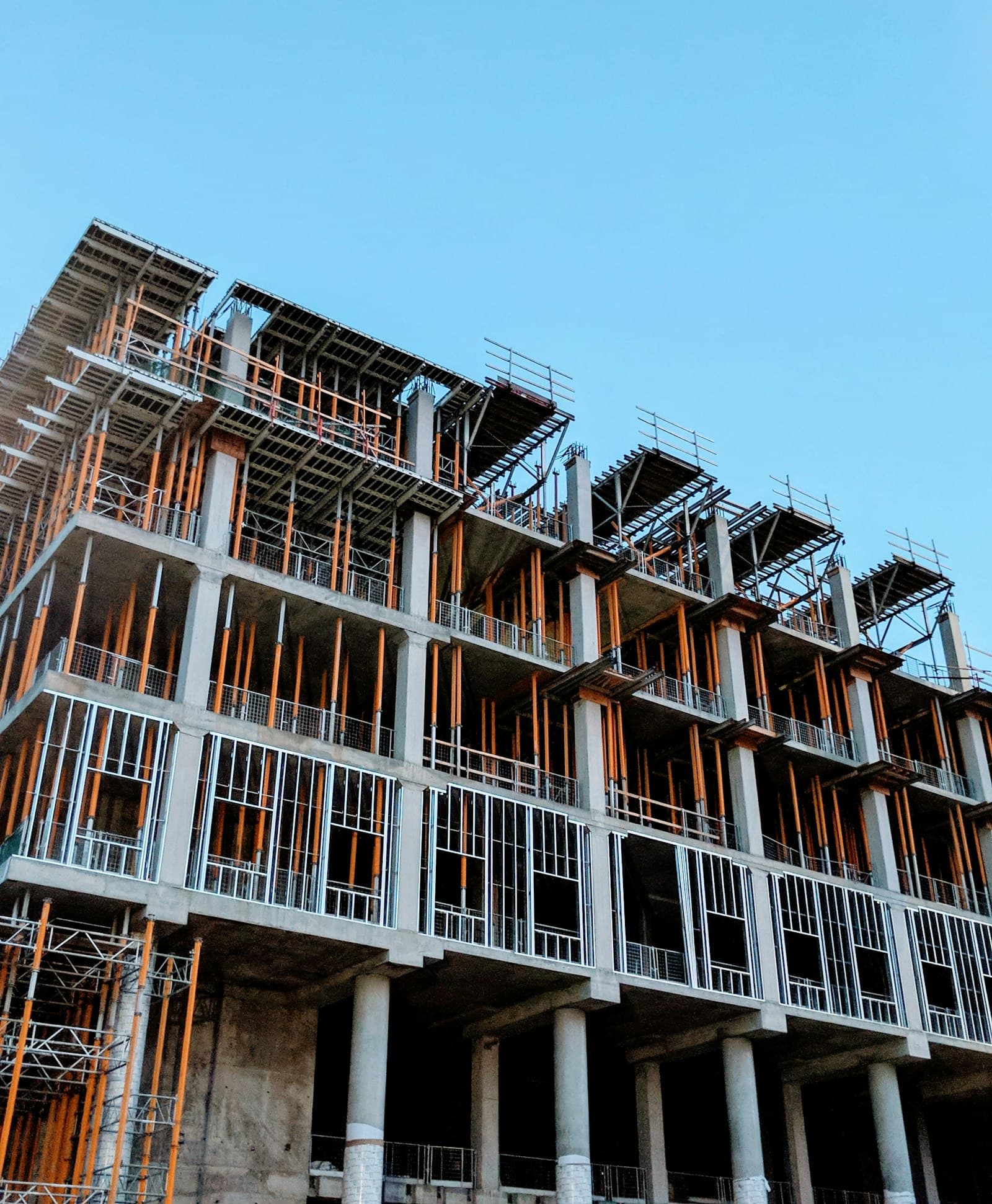
Mit GAMA AG und Mons Solar AG sind innert Monaten zwei namhafte Solarteure aus dem Rheintal in Konkurs gegangen. Für tausende Hauseigentümer stellt sich plötzlich die unangenehme Frage: Wer übernimmt jetzt meine Garantie, wenn der Installateur weg ist?
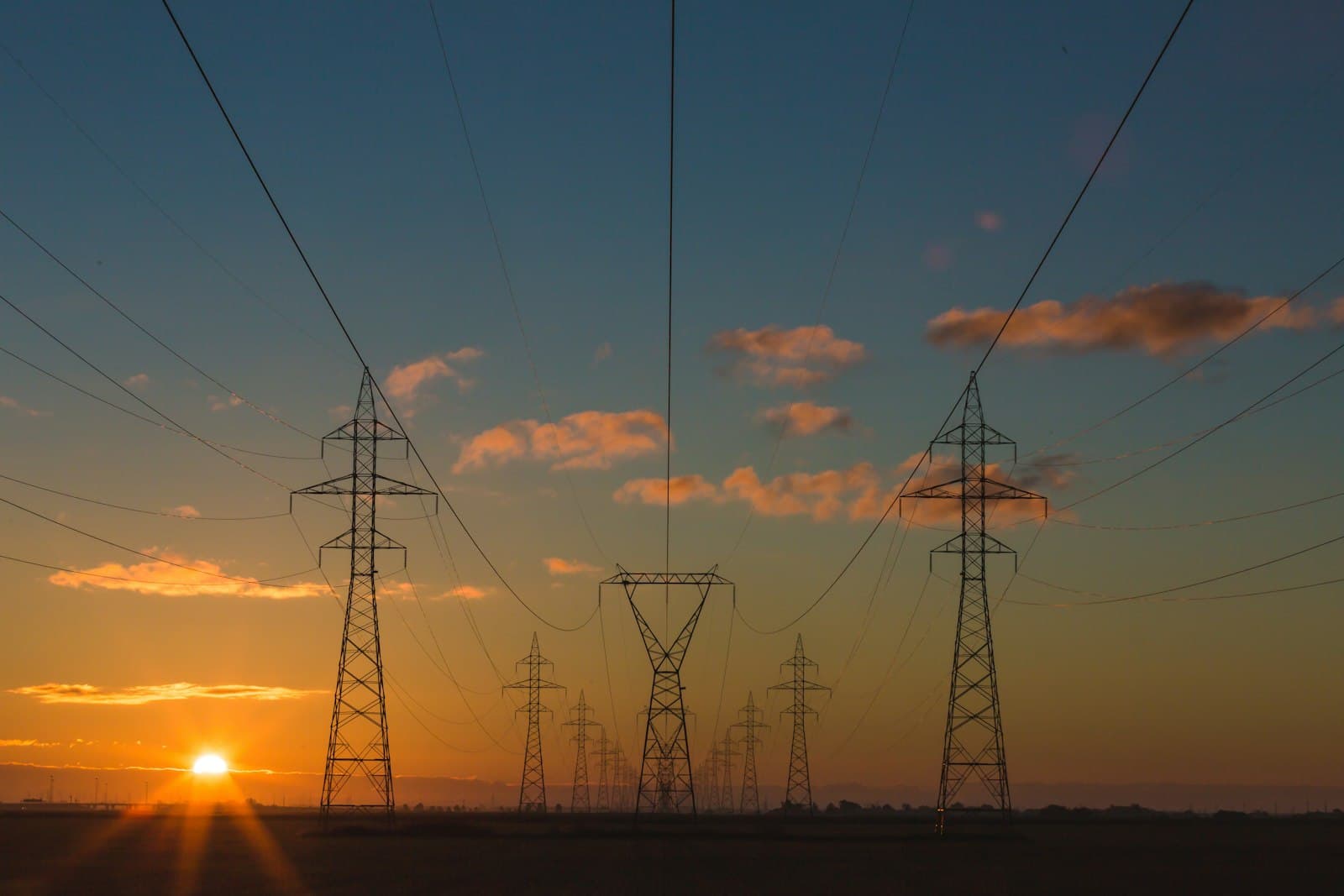
Swissgrid says it plainly: getting 40 GW of PV into the Swiss grid is not possible with current processes. What the national operator is asking for, and what it means for you.
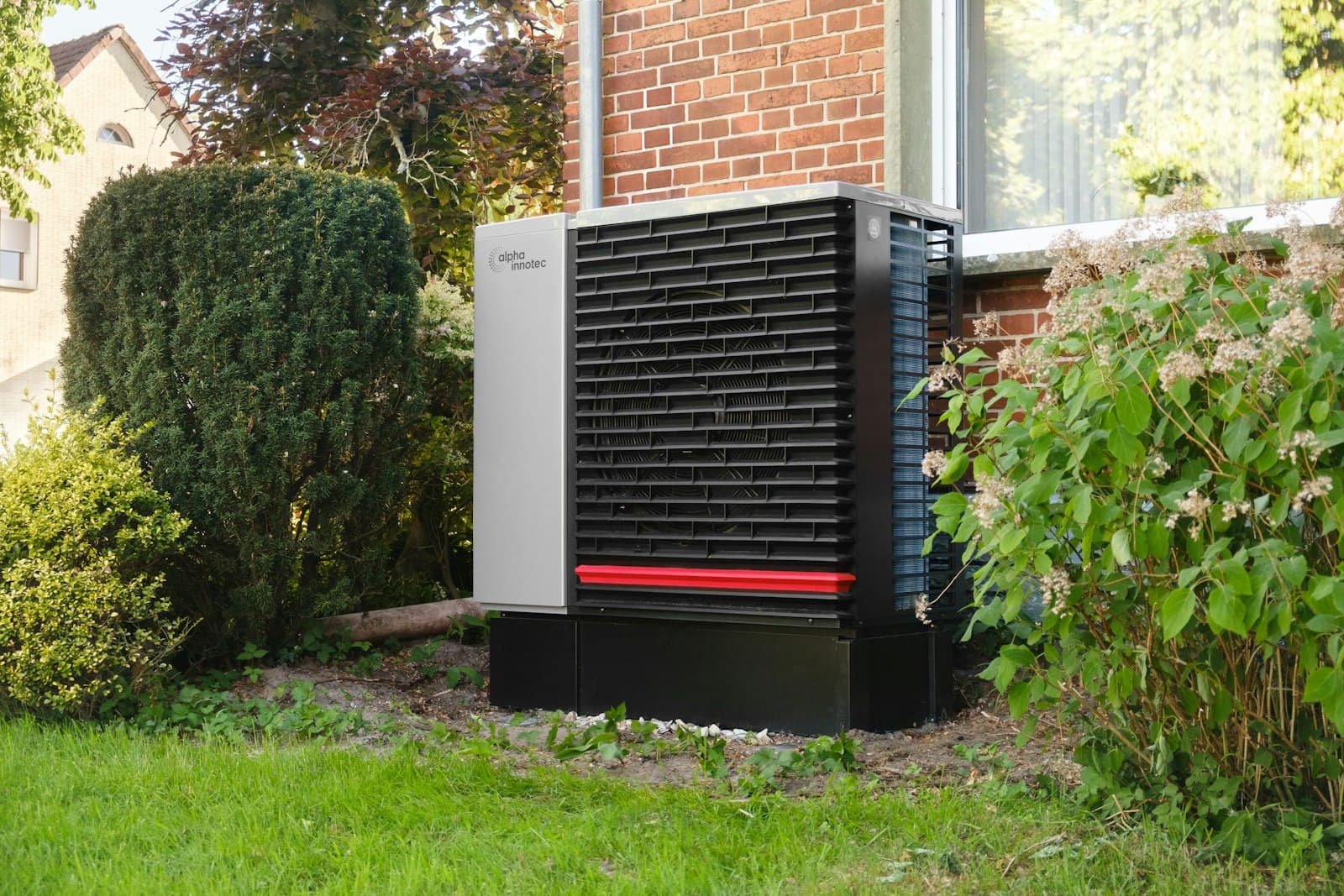
Swapping an oil or gas heater is funded from two sides in 2026. Layer solar on top and you cut the operating cost a second time.
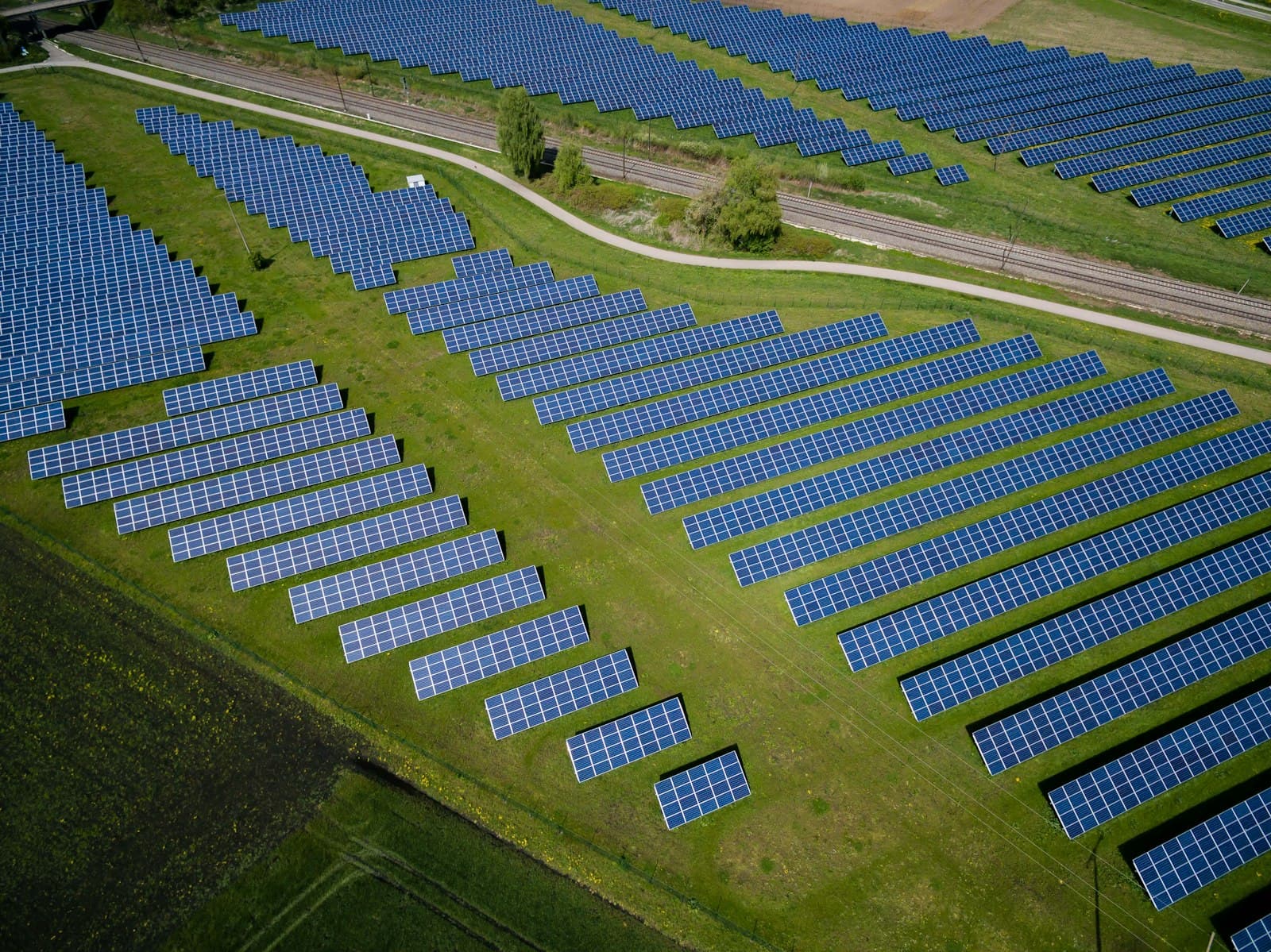
The Swiss PV market shrank 15 % in 2025. The 1 January 2026 reforms target exactly the reasons why. Here's a calm read.
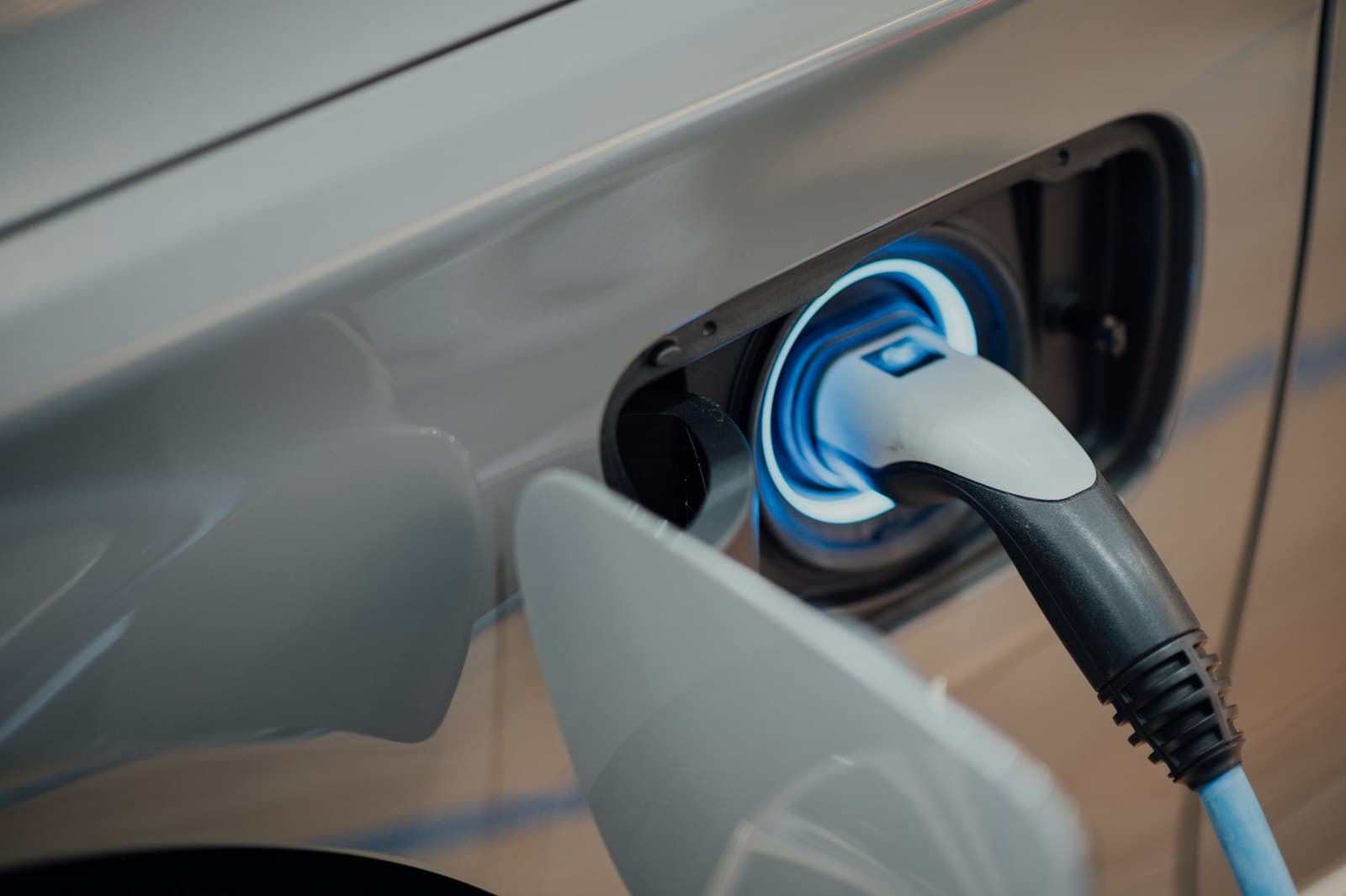
Several cantons still fund wallboxes in 2026. Zurich with a CHF 50 million pot, Lucerne with CHF 350 per parking spot in apartment buildings. Where to look.
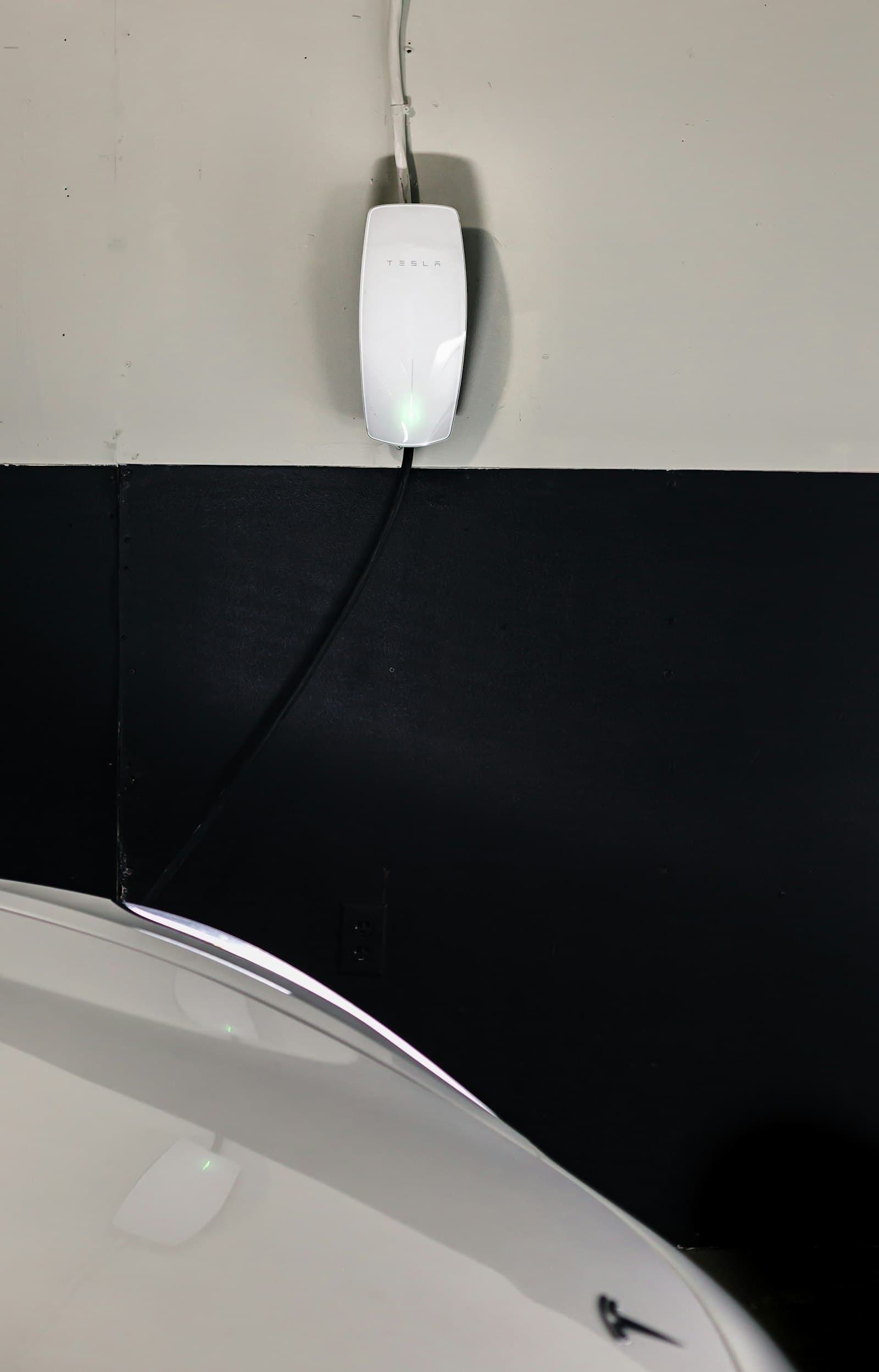
V2H turns your EV into a ~60 kWh home battery. Since January 2026 the legal picture is clear. Here's when the switch makes sense now.